
Eid Al Etihad 2026: 9 Car Checks Before a National Day Road Trip
Eid Al Etihad marks the UAE’s 55th anniversary in 2026, giving residents an opportunity to celebrate with family and explore different parts of the country. Whether you are planning a drive from Dubai to Abu Dhabi, visiting Hatta or heading towards Fujairah, your vehicle needs proper preparation.
The private-sector holiday falls on 2 and 3 December 2026, while federal government employees receive an additional day on 4 December. Many residents may also extend their break by taking annual leave.
Before setting off, check your vehicle’s essential components. ARMotors recommends regular maintenance to help identify mechanical problems before they affect your journey.
Check Your Tyres and Tyre Pressure
Your tyres are the only parts of your vehicle that maintain direct contact with the road. Their condition affects braking distance, steering control, fuel consumption and overall driving safety.
Before starting your Eid Al Etihad road trip, inspect all four tyres and the spare. Pay attention to their tread depth, air pressure and general condition. Here is what you should check:
- Tyre Pressure: Compare the pressure with the manufacturer’s recommended figures. You can usually find these on the driver’s door frame or inside the owner’s manual.
- Tread Depth: Examine the tread for uneven wear, bald patches and visible damage. The Dubai RTA recommends a minimum tread depth of 1.5 mm.
- Sidewall Condition: Look for cracks, bulges, cuts and exposed internal material. These signs can indicate structural damage.
- Spare Tyre: Check its pressure and condition before travelling. A spare tyre will not help if it is also underinflated or damaged.
Always measure tyre pressure when the tyres are cold. Avoid releasing air immediately after driving because the pressure naturally increases as tyres heat up. If your steering wheel vibrates or your vehicle pulls towards one side, arrange a tyre and wheel inspection before travelling.
You can also explore ARMotors’ car service in Dubai for a professional assessment of tyre condition and other essential vehicle components.
Inspect Your Brakes and Brake Fluid
Your braking system needs to respond correctly when you encounter sudden traffic changes, highway congestion or unexpected obstacles.
A vehicle travelling at highway speeds needs sufficient stopping distance. Worn brake pads, damaged discs or low brake fluid can affect how effectively your car slows down. Before your journey, pay attention to these components:
- Brake Pads: Check for excessive wear and listen for squealing or grinding sounds when applying the brakes.
- Brake Discs and Rotors: Look for deep grooves, visible damage or unusual vibration during braking.
- Brake Fluid: Check the reservoir level against the manufacturer’s recommended range.
- Brake Pedal: Notice whether the pedal feels unusually soft, sinks towards the floor or requires more pressure than normal.
Don’t ignore changes in braking performance. A grinding noise may indicate that the brake pads have worn down enough to damage other braking components. If your vehicle takes longer to stop or pulls towards one side during braking, arrange an inspection before travelling. A qualified technician can examine the brake pads, discs, calipers and hydraulic system to identify problems that may not be obvious during a visual check.
Check Engine Oil and Oil Filter
Engine oil lubricates moving components, helps manage friction and carries heat away from critical engine parts. Long-distance driving can place additional demands on your engine. Low oil levels or overdue servicing may increase wear, particularly when your vehicle operates at sustained highway speeds. Check your engine oil before leaving:
- Park your vehicle on level ground and switch off the engine.
- Allow the engine to cool according to the manufacturer’s instructions.
- Remove the dipstick and wipe it with a clean cloth.
- Insert it fully before removing it again.
- Check whether the oil level falls between the minimum and maximum marks.
Pay attention to the oil’s condition. Dark oil is not automatically a sign of a problem because engine oil naturally changes colour during use. Look for unusual contamination, a milky appearance or a burnt smell.
You should also check your vehicle’s service history. If your next oil change is due soon, arrange it before your road trip rather than waiting until you return. Replace the oil filter according to the manufacturer’s service schedule.
For luxury vehicles such as Porsche, Ferrari, Bentley and Rolls-Royce, using the correct oil specification matters. Different engines require specific oil grades and performance standards.
Examine Coolant Levels and Radiator Hoses
Your engine cooling system regulates operating temperature and helps prevent overheating. Although December generally brings milder weather to the UAE, daytime temperatures can still place demands on the cooling system. Long journeys, traffic congestion and extended idling can also expose existing cooling problems. Inspect the following components:
- Coolant Reservoir: Check that the coolant level sits between the minimum and maximum marks when the engine is cold.
- Radiator Hoses: Look for cracks, swelling, leaks or softened rubber.
- Radiator: Check for visible damage, corrosion and signs of coolant leakage.
- Water Pump: Ask a technician to inspect for leakage, unusual noises or other signs of failure.
- Temperature Gauge: Monitor the dashboard gauge during your journey for unusual temperature increases.
Never remove a radiator cap while the engine is hot. Pressurised coolant can cause serious burns. Use the coolant type recommended by your vehicle manufacturer. Mixing incompatible coolant products can affect the cooling system and cause deposits or corrosion. If you notice coolant disappearing repeatedly, investigate the cause instead of simply topping up the reservoir.
Test Your Car Battery
A weak battery can turn a planned road trip into an unexpected roadside stop. Your battery supplies the electrical power needed to start the engine and supports several vehicle systems. Modern luxury cars also rely on electrical power for sensors, control modules, infotainment and other features. Before travelling, check for these common battery problems:
- Slow engine cranking when starting the vehicle.
- Dashboard lights that appear dimmer than usual.
- Battery warning indicators on the dashboard.
- Corrosion around battery terminals.
- Swollen battery casing or visible leakage.
- Electrical accessories that behave inconsistently.
A visual inspection cannot always reveal the battery’s remaining capacity. Ask a technician to perform a battery health test and check the charging system. The alternator also deserves attention because it charges the battery while the engine runs.
A weak alternator can cause electrical problems even when the battery itself is relatively new. If your battery is approaching the end of its expected service life, consider testing or replacing it before your trip.
Inspect Your Air Conditioning System
A properly functioning air conditioning system makes long drives more comfortable, especially when travelling with children or elderly family members.
Even during December, daytime temperatures in the UAE can make a vehicle’s cabin uncomfortable without adequate cooling. Switch on your air conditioning and check whether it performs as expected. Look for these signs:
- Weak Cooling: The air takes too long to cool the cabin or never reaches the expected temperature.
- Unusual Smells: Musty or unpleasant odours may indicate moisture or contamination within the system.
- Unusual Noises: Rattling, squealing or clicking sounds may require further inspection.
- Poor Airflow: Weak airflow can point towards a blocked cabin filter, blower problem or another ventilation issue.
- Inconsistent Cooling: Temperature changes without adjusting the controls may indicate a system fault.
The cabin air filter also needs attention. Dust and debris can restrict airflow and affect the quality of air inside your vehicle. If the air conditioning does not cool properly, have the system inspected before departure. A technician can check refrigerant levels, the compressor, condenser, filters and related components.
Check Headlights, Taillights and Indicators
Good visibility and clear communication with other drivers are essential during a road trip. Your lights help you see the road and allow other motorists to understand your intentions. They become particularly important during nighttime driving, heavy rain, dusty conditions and reduced visibility. Walk around your vehicle and test each lighting component.
- Headlights: Check both high and low beams for proper operation.
- Taillights: Make sure the rear lights illuminate when the headlights are switched on.
- Brake Lights: Ask someone to confirm that all brake lights work when you press the pedal.
- Turn Indicators: Test the front and rear indicators on both sides.
- Hazard Lights: Check that all hazard lights flash correctly.
- Reverse Lights: Confirm that the reversing lights operate when selecting reverse gear.
Also inspect the headlight lenses for dirt, moisture and damage. Cloudy lenses can reduce light output and affect visibility. Replace faulty bulbs with the correct specifications for your vehicle. If the dashboard displays an electrical warning, arrange a diagnostic inspection rather than repeatedly replacing bulbs without identifying the cause.
Examine Windscreen Wipers and Washer Fluid
A clean windscreen helps you maintain a clear view of the road. Dust, sand, insects and occasional rainfall can reduce visibility during UAE journeys. Your wipers should clear the windscreen without leaving streaks or making unusual noises. Check the following:
- Wiper Blades: Look for cracked, hardened or torn rubber.
- Wiper Movement: Confirm that the blades move smoothly across the glass.
- Washer Fluid: Fill the reservoir with an appropriate windscreen cleaning solution.
- Spray Nozzles: Check that the washer fluid reaches the intended areas.
- Windscreen: Inspect for chips or cracks that could obstruct your view.
Avoid using household detergents in the washer reservoir unless the vehicle manufacturer specifically permits them. Use a suitable automotive washer fluid instead.
If your wipers leave water patches or skip across the glass, replace the blades before travelling. Keep a microfibre cloth in your vehicle to remove dust from the windscreen when parked. Never attempt to clean the glass while driving.
Review Vehicle Documents and Emergency Equipment
Mechanical preparation is only one part of getting your vehicle ready for a National Day road trip. You should also confirm that your documents are valid and essential roadside equipment is available. Start by checking your vehicle registration card, commonly called the Mulkiya, and your motor insurance policy.
The UAE’s official vehicle registration guidance requires vehicles to be registered and insured before they are driven on public roads. You can review the requirements through the UAE Government’s vehicle registration service. Your pre-trip document checklist should include:
- Valid UAE driving licence.
- Valid vehicle registration (Mulkiya).
- Active motor insurance.
- Roadside assistance contact details.
- Relevant vehicle inspection or service records.
Next, prepare an emergency kit with these essentials:
Emergency Item | Why You Need It |
First-aid kit | Provides basic supplies for minor injuries |
Warning triangle | Alerts approaching drivers to a stopped vehicle |
Spare tyre | Helps when a tyre becomes damaged |
Jack and wheel spanner | Supports basic tyre replacement |
Jumper cables | Help with a discharged battery |
Flashlight | Provides visibility during nighttime emergencies |
Portable tyre inflator | Helps restore tyre pressure when appropriate |
Drinking water | Provides water during unexpected delays |
Keep these items secured in your vehicle. Loose equipment can become dangerous during sudden braking. If you are travelling with children, pack any required child seats and check that they are installed correctly.
Additional Tips for a UAE National Day Road Trip
Once your vehicle passes the nine checks, take a few more steps to prepare for the journey.
- Plan Your Route in Advance: Decide where you want to stop, which roads you will use and whether your destination has suitable parking facilities. Popular destinations such as Abu Dhabi, Hatta, Fujairah and Al Ain can attract more visitors during public holidays. Check traffic updates before departure.
- Avoid Driving When Tired: Plan rest breaks during longer journeys. Share driving responsibilities with another licensed driver where appropriate. If you feel sleepy, stop somewhere safe rather than continuing.
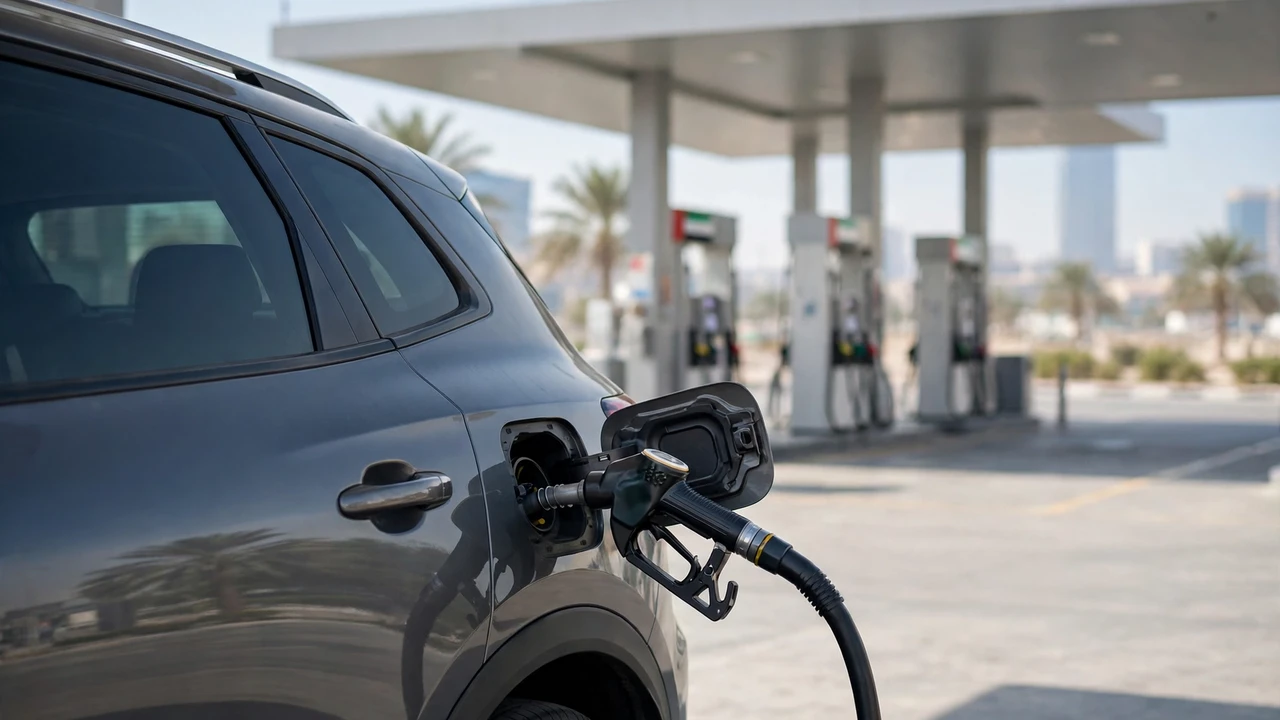
- Keep Your Fuel Tank Sufficiently Filled: Check your fuel level before leaving and identify suitable fuel stations along your route. Avoid waiting until the warning light appears before refuelling.
- Check Your Vehicle’s Warning Lights: Pay attention to dashboard alerts before and during your journey. Engine, battery, oil pressure, tyre pressure and brake warnings can indicate problems that require attention.
- Follow Manufacturer Service Intervals: Your vehicle’s maintenance requirements depend on its model, mileage, engine and driving conditions.
Check the owner’s manual instead of relying on a generic service interval. Regular maintenance helps identify developing issues before they interrupt your travel plans.
Frequently Asked Questions
Check your tyres, brakes, engine oil, coolant, battery, air conditioning, lights, wipers and vehicle documents. You should also inspect your spare tyre and prepare an emergency kit. If your vehicle has warning lights, unusual noises or mechanical problems, arrange a professional inspection before travelling.
The UAE will celebrate its 55th Eid Al Etihad on 2 December 2026. Private-sector employees receive public holidays on 2 and 3 December, while federal government employees receive holidays from 2 to 4 December. The exact break may differ for other government entities and workplaces.
Check tire pressure and condition before every long journey. Examine tread depth, sidewalls and signs of uneven wear. Measure pressure when the tyres are cold and follow the manufacturer's recommended figures. Also check the spare tyre so it is ready if you experience a puncture.
You can arrange a professional vehicle inspection with ARMotors in Dubai. Its services cover routine maintenance, mechanical and electrical repairs, brake system checks, battery assessments and vehicle diagnostics. The workshop caters to luxury brands such as Ferrari, Porsche, Bentley, Lamborghini, McLaren and Rolls-Royce. Visit the ARMotors website to enquire about servicing.
Get Your Vehicle Ready for Eid Al Etihad with ARMotors
Planning a National Day road trip? Give your vehicle the attention it needs before departure. ARMotors provides luxury car servicing, mechanical and electrical diagnostics, brake inspections and routine maintenance in Dubai.
Its technicians work with brands including Porsche, Ferrari, Bentley, Maserati and Rolls-Royce. Visit ARMotors to discuss your vehicle’s maintenance requirements and arrange a service appointment before your journey.