Things Every Car Owner Needs to Know About Spark Plugs
Spark plugs are small but essential; without them, many vehicles simply won’t start. Their condition directly affects engine performance, meaning worn or faulty plugs can cause hard starts, misfires, or sluggish acceleration. Neglecting spark plugs doesn’t just impact performance; it can lower fuel efficiency and prevent your car from running at its full potential.
In this guide, ARMotors professionals explain everything you need to know about spark plugs, including their function and key warning signs of wear. You’ll also learn how often to replace them and practical maintenance tips to keep your engine running smoothly.
Understand What Spark Plugs Are!
Spark plugs are small, precision-engineered components fitted into your engine’s cylinder head. Their crucial role is to ignite the air-fuel mixture, creating the combustion that powers your vehicle. Every time you start your car, spark plugs produce thousands of sparks per minute to keep the engine running smoothly.
The Spark Plug Process & How It Powers Your Engine
Knowing how spark plugs operate helps you maintain your engine and drive efficiently. They ignite the air-fuel mixture in each cylinder, powering your vehicle. Here’s the process:
- Step 1. Drawing in Air and Fuel: The engine takes in a precise mix of air and fuel into the cylinder, preparing for combustion.
- Step 2. Compressing the Mixture: The piston pushes the mixture upward, increasing pressure and temperature to make it ready for ignition.
- Step 3. Creating the Spark: The ignition coil sends high voltage to the spark plug, generating a spark strong enough to ignite the mixture.
- Step 4. Igniting the Fuel: The spark jumps across the plug’s electrodes, causing a controlled explosion inside the cylinder.
- Step 5. Generating Power: The explosion pushes the piston down, turning the crankshaft and powering the car’s wheels.
This cycle happens thousands of times per minute. Weak or delayed sparks can lead to misfires, rough idling, slower acceleration, and higher fuel consumption.
How Many Types of Car Spark Plugs?
Car spark plugs come in several types based on the materials used in their electrodes. Choosing the right one affects performance, durability, and how well your engine runs.
The main types are Copper, Platinum, Double Platinum, and Iridium, with some specialised versions like Silver and multi-electrode plugs. Each type has unique benefits and is designed to match your car manufacturer’s specifications.
Common Spark Plug Types
- Copper/Nickel (Standard): Affordable and highly conductive, but wears out faster. Often used in older cars or high-performance engines.
- Platinum (Single): Has a platinum tip on the centre electrode, lasts longer than copper, and reduces carbon buildup.
- Double Platinum: Platinum on both centre and ground electrodes, ideal for wasted-spark engines, lasting 100,000+ miles.
- Iridium: Extremely durable with a fine electrode, creating a strong spark and offering the longest lifespan.
- Silver: Great thermal conductivity but wears faster than platinum or iridium; common in older European performance cars.
- Multi-Electrode: Two to four ground electrodes for improved reliability and performance.
Always follow your vehicle’s OEM parts when choosing spark plugs to ensure optimal engine performance and avoid damage.
What is the Average Lifespan of a Car Spark Plug?
The lifespan of a spark plug depends largely on its material, ranging from 20,000 to over 100,000 miles. Using the right type ensures consistent engine performance and avoids premature wear. Always check your vehicle’s owner manual for the manufacturer’s recommended replacement intervals.
Lifespan by Spark Plug Type
- Copper: Typically lasts 20,000 to 30,000 miles, making it suitable for older engines or high-performance applications.
- Single Platinum: Can last up to 60,000 miles, offering improved durability and reduced carbon buildup.
- Single Iridium: Usually lasts 60,000 to 80,000 miles, providing a stronger spark and longer service life.
- Double Platinum or Iridium: Designed for wasted-spark systems, these plugs can last 80,000 to 120,000 miles, offering maximum durability.
6 Common Signs Your Spark Plugs Need Replacement
Worn or failing spark plugs can cause noticeable drops in engine performance and fuel efficiency. Recognising the symptoms early helps prevent costly repairs and keeps your car running smoothly.
Common warning signs include misfires, rough idling, sluggish acceleration, hard starts, and higher fuel consumption. You might also notice a flashing or solid check engine light, engine stalling, unusual knocking sounds, or increased exhaust emissions.
- Engine Misfires or Jerking: This occurs when the engine hesitates or jerks during acceleration, often due to inconsistent or weak sparks.
- Rough Idling: Shaking, vibrations, or unusual noises while the car is stopped can indicate worn or fouled spark plugs.
- Reduced Acceleration and Low Power: A slow or sluggish response when pressing the gas pedal may result from inefficient combustion caused by failing plugs.
- Difficulty Starting: Trouble starting the engine, especially in cold weather, can be a sign that the spark plugs are worn or dirty.
- High Fuel Consumption: Lower fuel efficiency than normal may happen because incomplete combustion wastes fuel.
- Check Engine Light: A flashing or solid check engine light often indicates a misfire or another ignition system issue related to spark plugs.
When to Replace Spark Plugs
Ignoring these signs can damage your catalytic converter, lower engine performance, or even lead to engine failure. Depending on the type, spark plugs usually need replacement every 20,000 to 100,000 miles. A flashing check engine light should be addressed immediately to avoid expensive repairs. Always choose quality spark plugs from trusted suppliers for reliable performance.
7 Frequent Reasons Spark Plugs Fail
Spark plugs can fail for multiple reasons, often affecting engine performance and efficiency. Understanding these causes can help you maintain your vehicle better:
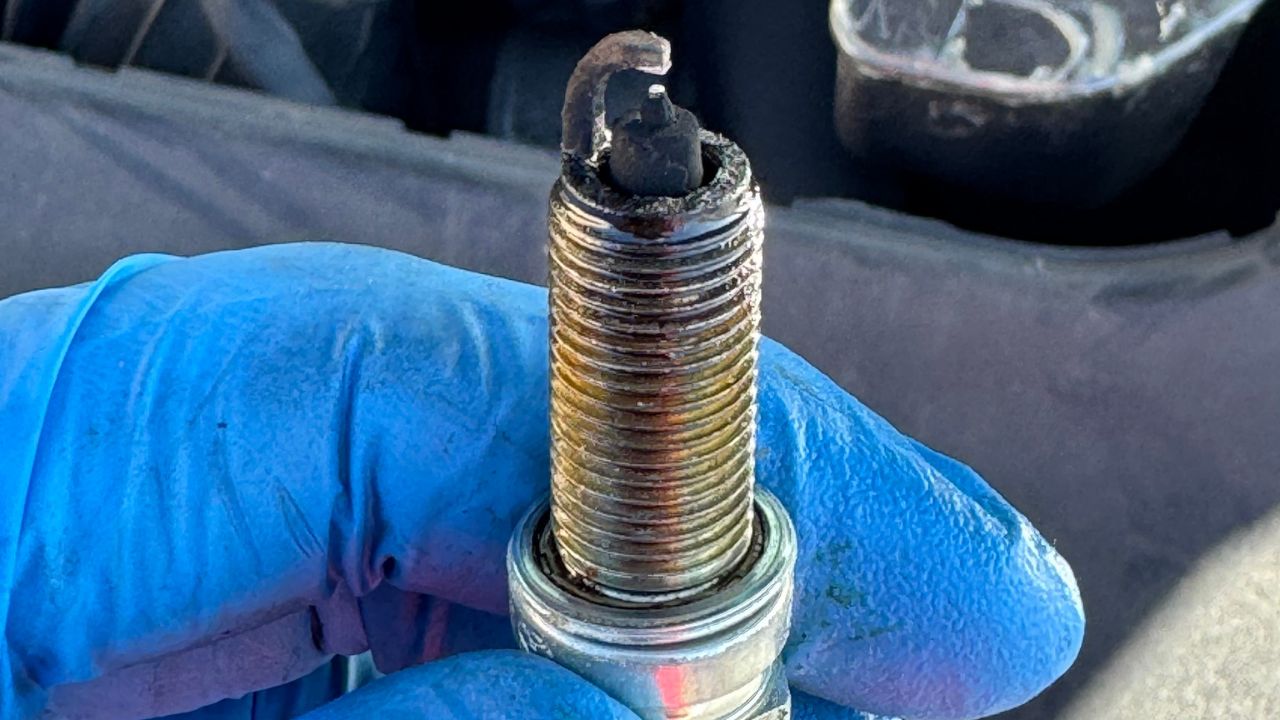
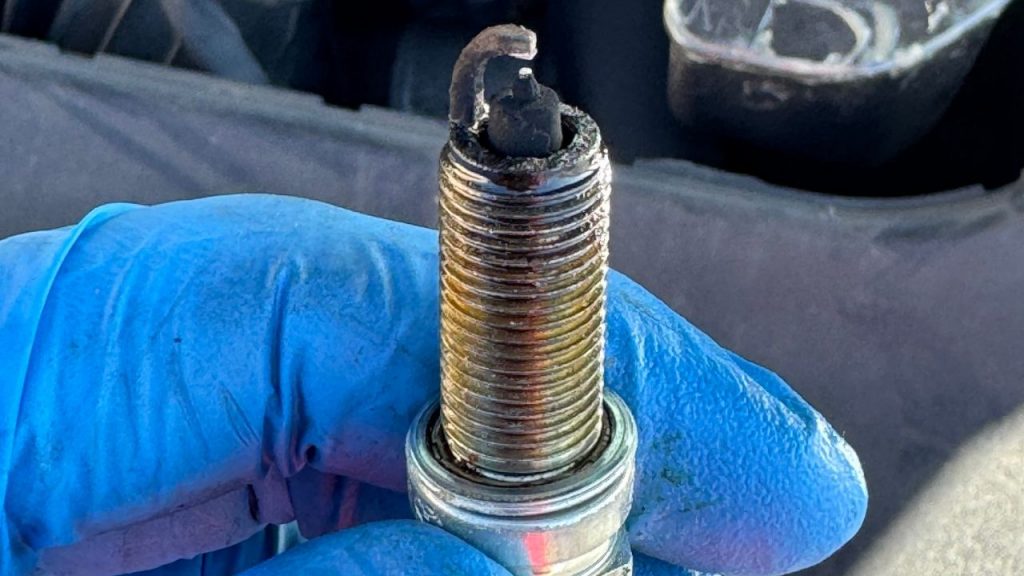
- Electrode Wear: Constant sparking gradually wears down electrodes, weakening the spark.
- Carbon Buildup: Rich fuel mixtures or extended idling produce soot that disrupts ignition.
- Oil Fouling: Leaking valve seals or worn piston rings coat plugs with oil, preventing proper combustion.
- Overheating: Lean fuel mixtures, incorrect heat-range plugs, or cooling issues can damage electrodes.
- Incorrect Gap: Gaps that are too wide or too narrow reduce efficiency and may trigger misfires.
- Physical Damage: Cracked insulators from drops or poor installation cause electrical leaks.
- Pre-Ignition or Detonation: Excessive heat or low-octane fuel can cause early combustion, harming plugs and engine performance.
What are the Tips for Spark Plug Maintenance?
Regular sparks plug care helps your engine run efficiently, improves fuel economy, and prevents costly repairs. Even simple steps like inspecting plugs and using quality fuel can make a big difference.
- Inspect Spark Plugs During Routine Service: Check for wear, fouling, or damage before it affects performance.
- Verify the Spark Plug Gap: Make sure the gap matches your manufacturer’s specifications for consistent ignition.
- Check for Oil or Carbon Deposits: Build-up can indicate engine issues such as oil leaks or incomplete combustion that need attention.
- Test Ignition Coils: Weak or faulty coils reduce spark efficiency, so inspect them whenever you check your plugs.
- Use Correct Torque: Avoid over-tightening or under-tightening to prevent damage to the spark plug or cylinder head threads.
- Replace Air Filters Regularly: Clean air promotes proper combustion and reduces carbon buildup on spark plugs.
Essential Tools for Replacing Spark Plugs
Replacing spark plugs is straightforward if you have the right tools. Using proper equipment ensures a safe, precise installation and prevents engine damage. The main tools you’ll need include:
- Spark Plug Socket: A specialised deep socket with a rubber insert to grip and protect the plug.
- Ratchet Wrench: Used with the socket to remove and tighten plugs efficiently.
- Torque Wrench: Ensures plugs are tightened to the manufacturer’s recommended specifications.
- Spark Plug Gap Tool: Measures and adjusts the electrode gap for consistent ignition.
- Extension Bar: Helps reach spark plugs in deep or tight engine spaces.
- Dielectric Grease (Optional): Applied to the plug boot for easier installation and to prevent moisture-related issues.
Having these tools ready makes spark plug replacement safer, faster, and more effective. However, DIY still required some expertise and knowledge of how to replace a spark plug efficiently.
Spark Plug Replacement Costs in the UAE
The cost of replacing spark plugs in the UAE depends on your vehicle type, engine size, and the plug material. On average, a full set of plugs for standard cars ranges from AED 80 to AED 180, including labour, while high-performance or luxury vehicles can start from around AED 100 and up.
Estimated Costs by Vehicle Type
- Standard Cars (4–6 plugs): AED 80–180 for parts and labour.
- Luxury or High-Performance Vehicles: Typically start at AED 100, depending on engine layout and labour requirements.
- Individual Spark Plugs: AED 30–80 each, depending on material (copper, platinum, or iridium).
Factors That Affect Spark Plug Replacement Costs
- Plug Material: Platinum and iridium plugs cost more but last longer, often up to 100,000 km.
- Number of Cylinders: Engines with more cylinders need more plugs, raising total costs.
- Labour Difficulty: Hard-to-reach plugs or complex engines can increase labour charges.
- Source of Parts: Prices vary if purchased from dealerships, workshops, or independent suppliers.
Replacing spark plugs yourself can save money if you have the right tools and experience, but professional service ensures safety and reliable engine performance.
How Faulty Spark Plugs Impact Fuel Efficiency?
Worn or dirty spark plugs can lower your vehicle’s fuel efficiency by preventing complete combustion. When plugs fail to ignite the air-fuel mixture properly, the engine must work harder, burning more fuel to maintain performance. This often leads to poor gas mileage, rough idling, and sluggish acceleration.
Keyways Bad Spark Plugs Affect Fuel Efficiency
- Incomplete Combustion: Faulty plugs don’t burn fuel fully, wasting energy and reducing miles per gallon.
- Engine Misfires: Missed sparks in a cylinder force the engine to consume extra fuel to compensate for lost power.
- Sluggish Acceleration: Weak sparks make acceleration hesitant, causing drivers to press the gas more and burn additional fuel.
- Rough Idling and Vibrations: Misfiring plugs create uneven engine operation, leading to shaking or vibrations at a stop.
- Higher Emissions and Heat: Inefficient combustion can trigger the check engine light and overwork components like the catalytic converter, increasing wear and emissions.
Pro Tips to Extend Spark Plug Life
With years of automotive experience, these tips help you get the most out of your spark plugs while keeping your engine running smoothly:
- Use the Right Spark Plugs: Always install plugs recommended by your vehicle manufacturer.
- Don’t Mix Plug Types: Avoid using different types or materials in the same engine.
- Fix Oil Leaks Promptly: Leaks can coat plugs with oil, reducing their lifespan.
- Maintain Ignition Coils: Healthy coils deliver strong, consistent sparks for efficient combustion.
- Limit Frequent Short Trips: Short drives prevent the engine from reaching optimal temperature, which can wear plugs faster.
- Replace Air Filters Regularly: Clean air supports proper combustion and prevents carbon buildup on plugs.
- Stick to Maintenance Schedules: Regular servicing keeps your engine in top condition and helps plugs last longer.
Always Choose Trusted Sources for Spare Parts
Whether it’s spark plugs or any other engine components, always buy from reputable suppliers in the UAE or anywhere you are. Quality parts ensure better performance, longer lifespan, and prevent damage to your vehicle, saving you time and costly repairs in the long run.
Frequently Ask Question
Most cars have 4 to 8 spark plugs, depending on the number of engine cylinders. Each cylinder typically has one spark plug. Here’s a simple breakdown:
- 3-cylinder Engine: 3 spark plugs
- 4-cylinder Engine: 4 spark plugs
- 6-cylinder Engine (V6 or inline-6): 6 spark plugs
- 8-cylinder Engine (V8): 8 spark plugs
For most 4-cylinder engines, replacement takes around 30–60 minutes. Larger or more complex engines may require additional time due to accessibility.
Yes! Worn or faulty spark plugs can cause engine misfires, which may overheat the catalytic converter and, over time, lead to costly engine repairs.
Not necessarily! Only replace ignition coils if they are faulty or causing misfires; otherwise, they can continue working with new spark plugs.
An incorrect gap weakens the spark, causing misfires, rough idling, and reduced fuel efficiency. Always follow the manufacturer’s specifications when setting the gap.
Keep Your Engine Running at Its Best with a Trusted Car Repair Expert
Ensure your luxury car performs flawlessly by trusting ARMotors for spark plug inspection, replacement, and all engine maintenance. Our expert technicians in Dubai use genuine parts, precision tools, and proven techniques to boost performance, fuel efficiency, and reliability. Book your service today and experience professional care that keeps your vehicle running smoothly for years to come.