Porsche 911 Common Problems: What Every Owner Should Know
Porsche has been crafting iconic sports cars since the first model, the Porsche 356, rolled off the production line in 1948. Over the decades, the brand has produced legendary vehicles like the Porsche 914, 924, and the timeless 911, each celebrated for precision engineering, performance, and style.
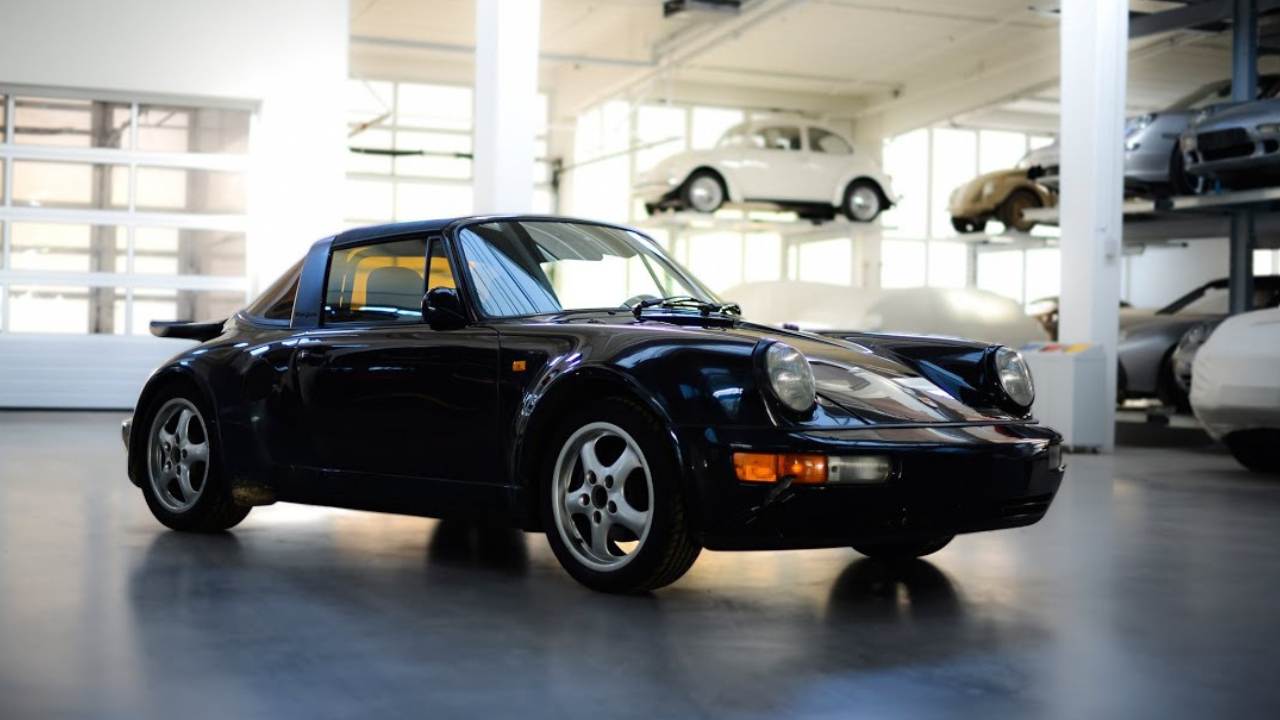
Among them, the 911 stands out as a benchmark in sports car excellence, but even this leading car has some issues. From ignition coil cracks and worn spark plugs to oil leaks and electronic glitches, understanding the most common 911 issues helps owners maintain peak performance and avoid costly surprises.
Let’s explore with ARMotors professional repairs in this guide.
10 Most Common Problems in Porsche 911 & Their Tips to Maintain
The Porsche 911 is a legendary sports car, but even iconic models have quirks. From engine faults to electrical glitches, here’s a detailed guide to the most common issues owners face.
Quick Checklist of Common Issues
- IMS Bearing Failure
- Oil Leaks & Gasket Wear
- Ignition Coils & Spark Plug Wear
- Turbocharger & Engine Wear
- Cooling System Problems
- Electrical & Software Glitches
- Transmission & Clutch Issues
- Suspension Wear
- Rust & Corrosion
- Convertible Roof & Mechanism
1. Intermediate Shaft (IMS) Bearing Issues
In older 911 models, especially the 996 and early 997 (1997–2008), the IMS bearing can fail, potentially causing severe engine damage. Many owners proactively replace or upgrade the IMS bearing to prevent costly repairs and ensure engine reliability.
2. Oil Leaks and Gasket Wear
Rear main seals, valve cover gaskets, and oil return tubes can develop leaks over time, particularly in 996, 997, and early 991 models. Regular inspections and timely replacement help maintain engine performance and prevent long-term damage.
3. Ignition Coils and Spark Plug Wear
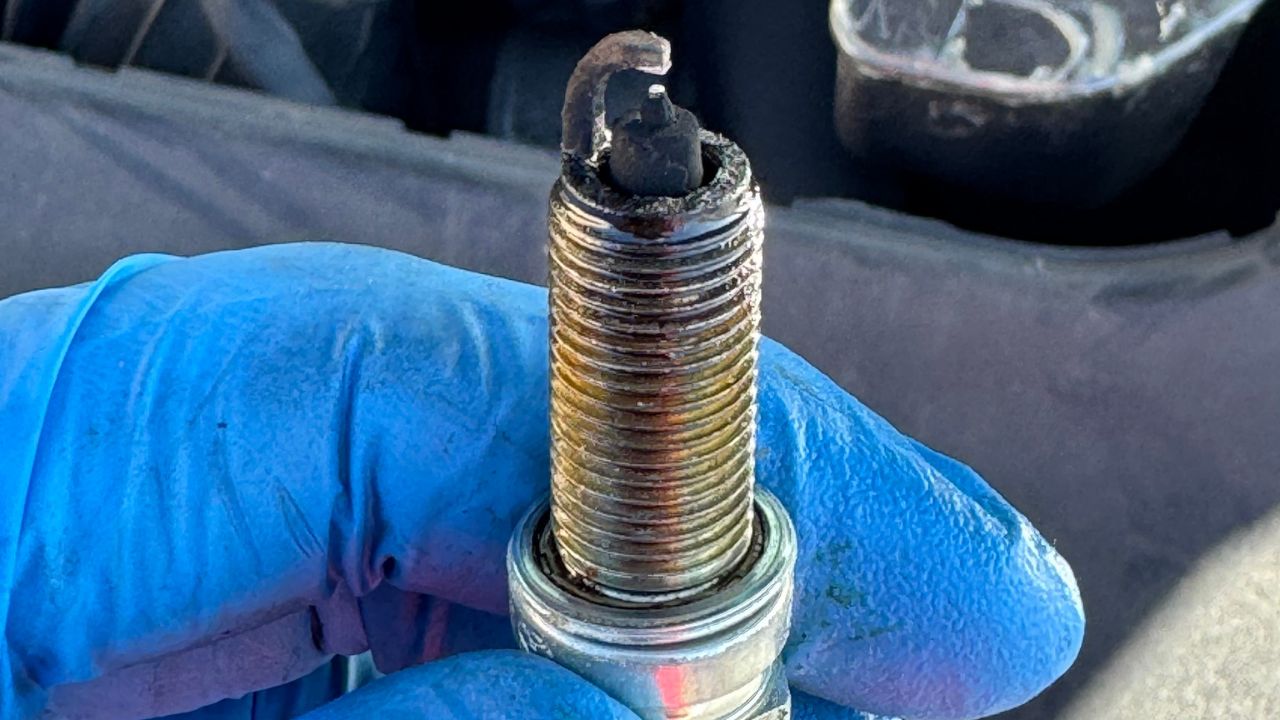
Worn spark plugs or faulty ignition coils can lead to misfires, rough idling, or reduced engine performance. These issues are often worsened by oil contamination or failing sensors, so regular maintenance and part replacement are crucial.
4. Turbocharger and Engine Wear (Turbo Models)
High-mileage turbocharged 911s, such as the 997 Turbo and 991 Turbo, can experience oil consumption, turbo wear, or gasket leaks. Routine checks and timely servicing help maintain performance and prevent expensive engine repairs.
5. Cooling System Problems
In Porsche 911 models, particularly the 996, 997, and early 991, plastic components in the cooling system, such as coolant reservoirs, radiators, and hoses, can crack or develop leaks over time. These failures may lead to engine overheating or reduced performance. Regular inspection, coolant replacement, and prompt repair of any cracked or leaking parts are essential to maintain engine reliability and prevent costly damage.
6. Electrical and Software Glitches
Porsche 911 owners, particularly of 996, 997, and early 991 models, may experience warning lights with no clear cause, sensor errors, or infotainment system freezes. Regular software updates and professional diagnostics help keep electrical systems reliable and prevent minor faults from becoming costly problems.
7. Transmission and Clutch Issues
Manual 911s, particularly 996 and 997 models with high mileage, can develop worn clutches, causing slipping or difficulty engaging gears. PDK-equipped 991 and 992 models may occasionally experience mechatronic or software faults. Regular servicing and timely maintenance help keep gear shifts smooth and preserve performance.
8. Suspension Wear
Porsche 911s like the 996 and 997, rubber bushings, control arms, and shock absorbers can wear with age, leading to clunks, uneven tyre wear, and reduced cornering precision. Regular suspension inspections and timely part replacements help preserve handling, ride comfort, and the car’s performance‑focused dynamics.
9. Rust and Corrosion
Older (1963–1975) 996 and 997 models can develop rust in wheel arches, door sills, or underbody areas. Early detection and treatment are key to preventing structural damage and preserving the car’s value.
10. Convertible Roof and Mechanism (Cabriolet Models)
On 996 and 997 Cabriolet models, soft-top motors, hydraulic systems, and seals can wear out after 10–15 years, causing leaks or roof malfunctions. Regular inspections, seal maintenance, and timely repairs help prevent water damage and ensure smooth roof operation.
Solutions for Common Porsche 911 Problems
Solution 1. Intermediate Shaft (IMS) Bearing Issues
Upgrade to a reinforced IMS bearing or replace it proactively, especially on 996 and early 997 models. Regular oil changes using high-quality synthetic oil also reduce bearing stress. Consult a Porsche specialist for installation to avoid engine damage.
Solution 2. Oil Leaks & Gasket Wear
Inspect rear main seals, valve cover gaskets, and oil return tubes regularly. Replace any leaking gaskets promptly to prevent engine contamination. Using the correct Porsche-approved sealants and oils ensures longevity.
Solution 3. Ignition Coils & Spark Plug Wear
Replace spark plugs and ignition coils according to Porsche service intervals (usually every 30,000–50,000 miles). Check for oil contamination or faulty sensors and repair them immediately. High-quality OE parts maintain engine performance.
Solution 4. Turbocharger & Engine Wear (Turbo Models)
Conduct regular oil changes with the correct viscosity oil and check turbo seals and hoses for leaks. Avoid prolonged high-RPM runs on cold engines. Periodic inspections of turbochargers can prevent expensive failures.
Solution 5. Cooling System Problems
Inspect plastic reservoirs, radiators, hoses, and clamps regularly for cracks or leaks. Replace ageing components before failure. Flush and refill the coolant system per Porsche’s recommended schedule to prevent overheating.
Solution 6. Electrical & Software Glitches
Keep the 911’s software up to date using Porsche’s official updates. Have a certified technician perform diagnostics for persistent warning lights or sensor errors. Repair or replace faulty sensors promptly to prevent cascading issues.
Solution 7. Transmission & Clutch Issues
For manual 996, 997, and 991 models, replace worn clutches at the first sign of slipping. For PDK-equipped 991 and 992, ensure software updates and fluid changes are done regularly. Avoid aggressive gear changes when the transmission is cold.
Solution 8. Suspension Wear
Inspect control arms, bushings, and shock absorbers every 30,000–50,000 miles. Replace worn or cracked components promptly. Use OEM or high-quality aftermarket parts to maintain handling precision and ride comfort.
Solution 9. Rust & Corrosion
Check vulnerable areas (wheel arches, door sills, underbody) frequently. Remove rust early, treat surfaces with rust inhibitors, and touch up paint where needed. Keeping the 911 garaged and washing it regularly also prevents corrosion.
Solution 10. Convertible Roof & Mechanism (Cabriolet Models)
Inspect soft-top motors, hydraulics, and seals annually. Replace worn seals and lubricate moving parts. Fix leaks immediately to prevent water damage to the interior. For motors or hydraulics, consult a Porsche-certified technician for proper repair.
Read Next: Porsche Maintenance Cost & Service Price Guide (2026)
Keep Your Porsche 911 in Peak Condition
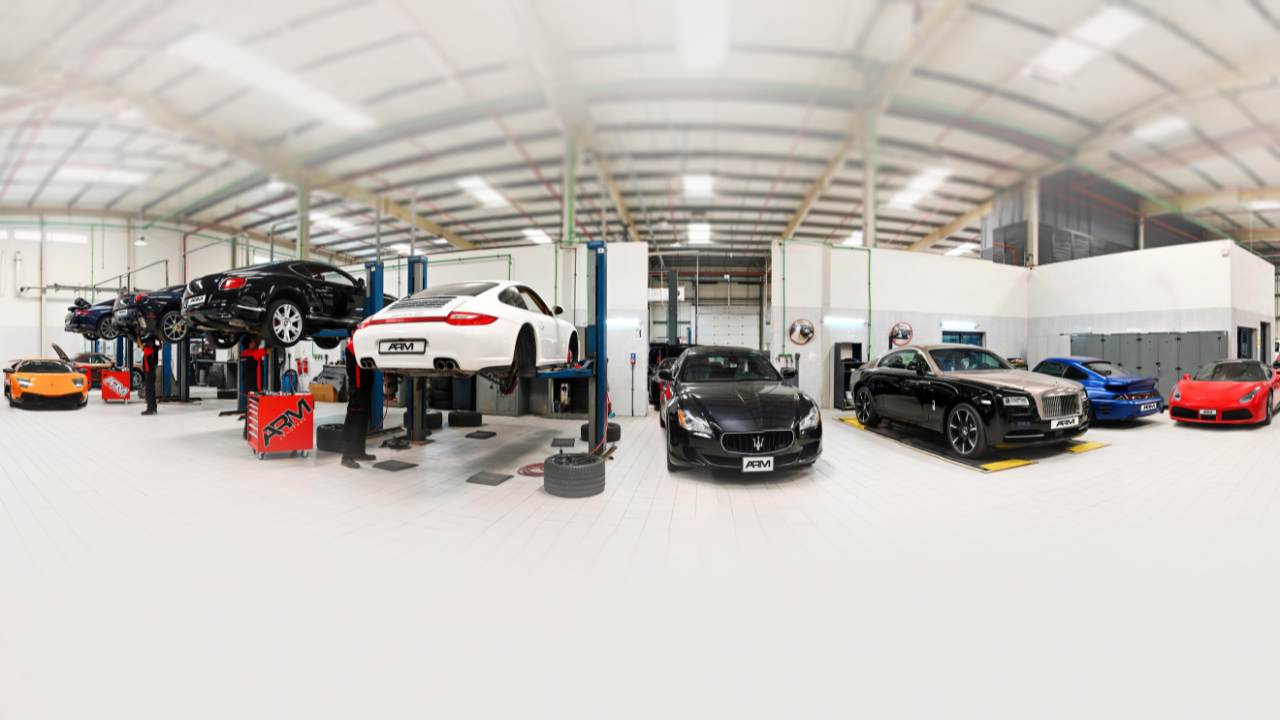
Trust ARMotors, Dubai’s leading auto workshop, to maintain your Porsche 911. Our skilled technicians handle IMS bearing upgrades, oil leaks, electrical issues, and suspension repairs using genuine parts and manufacturer-approved procedures. Schedule your service today for expert maintenance, prevent costly repairs, and ensure your 911 continues delivering its legendary performance and driving precision.
Frequently Ask Questions
For optimal performance, a Porsche 911 should undergo a full service every 10,000–15,000 km (6,000–9,000 miles) or at least once a year, including inspections of the engine, suspension, and electrical systems.
Yes! Models like the 996 and early 997 are more likely to experience IMS bearing wear, oil leaks, and ignition coil problems due to their age and mileage.
Routine checks such as oil levels, coolant, tyre condition, and visual inspection of hoses and suspension can help. However, complex repairs should always be done by a trusted automobile garage like ARMotors in Dubai, UAE.
Signs include delayed shifts, harsh engagement, or warning messages. Regular software updates and fluid checks are key to maintaining smooth PDK operation.
Yes! Soft-top motors, seals, and hydraulics can deteriorate after 10–15 years. Regular inspections and timely repairs help prevent leaks and water damage.
In the End
The Porsche 911 remains an icon of automotive engineering, delivering exceptional performance, handling, and style. However, even these legendary cars can face issues, from IMS bearing wear and oil leaks to electrical glitches and suspension problems. Understanding these common problems and addressing them early is essential to preserving your 911’s reliability, safety, and value.
Regular maintenance, timely inspections, and the use of high-quality parts can prevent minor faults from escalating into costly repairs. By entrusting your Porsche 911 to a trusted automobile garage, you ensure that every service, from routine checks to complex repairs, is performed with expertise and care, keeping your car performing at its absolute best.