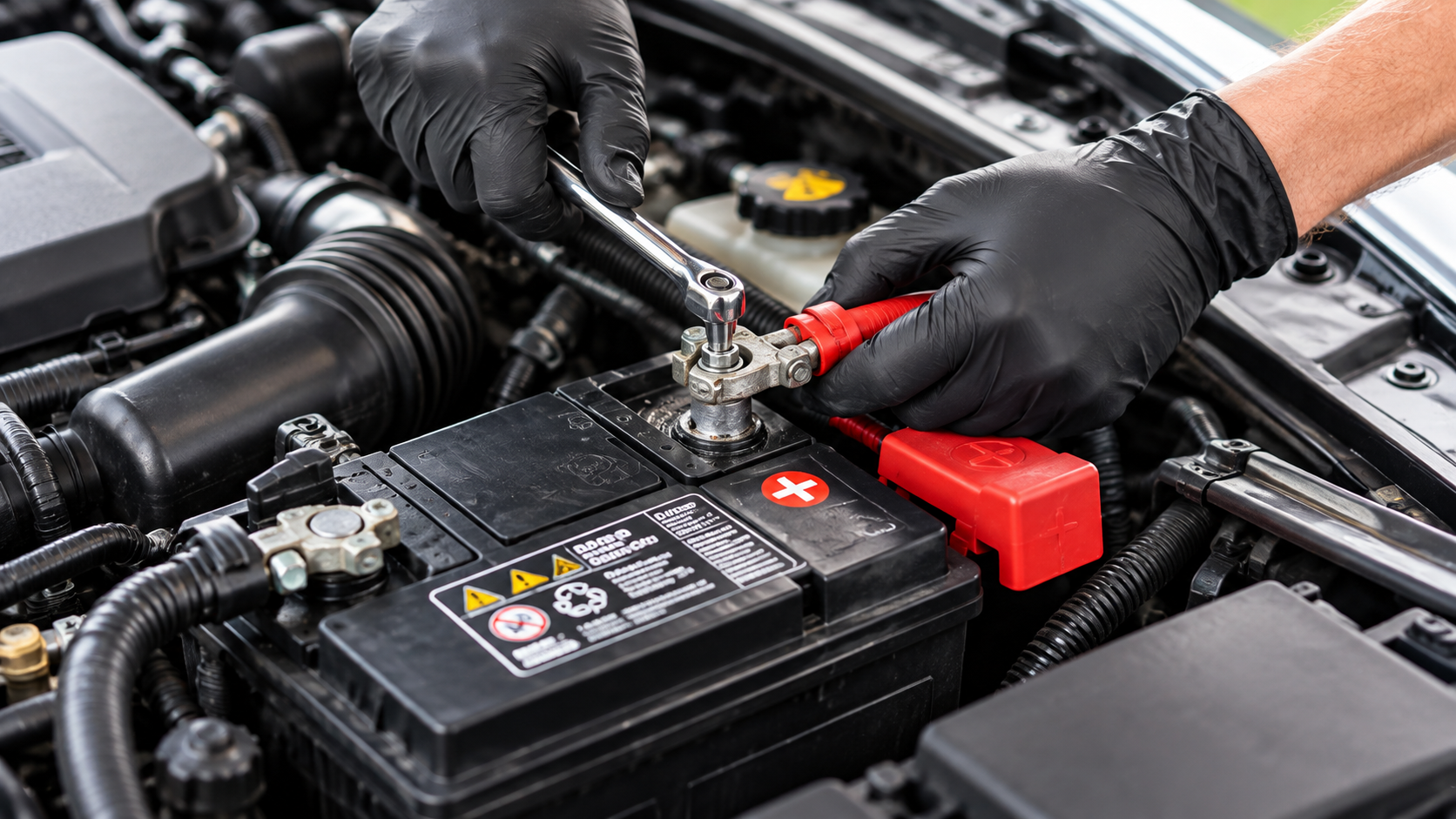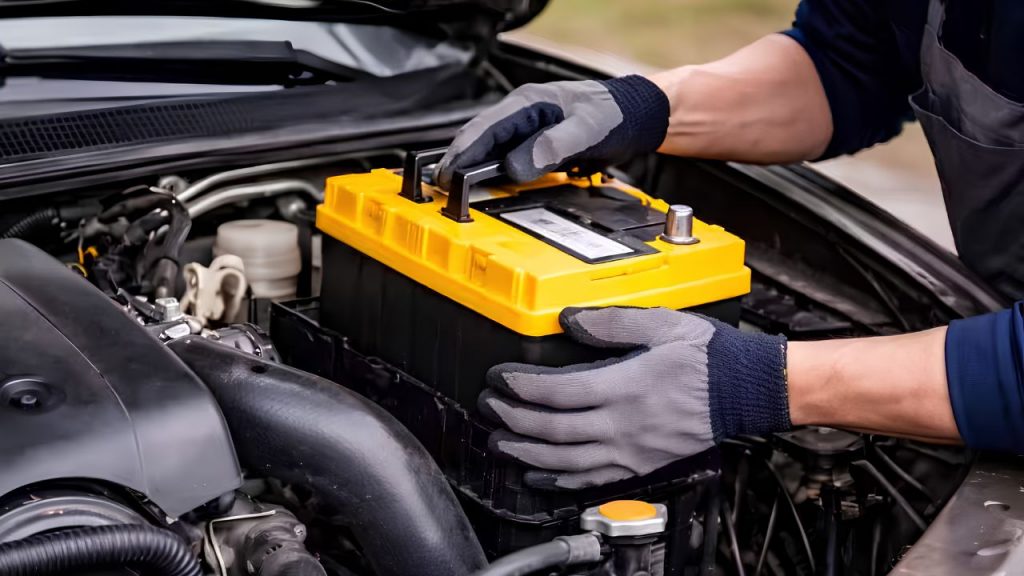

Your car battery is one of those components you rarely think about – until the engine refuses to start. While modern car batteries are designed to provide reliable performance for several years, UAE heat, frequent short journeys and high electrical demands can accelerate battery wear.
Knowing when to replace your car battery can help prevent unexpected breakdowns and ensure your vehicle’s electrical systems continue operating correctly.
How Long Does a Car Battery Last in the UAE?
A typical car battery can last around 2 to 4 years, although its lifespan depends on the vehicle, battery type, driving habits and climate.
The UAE’s extreme summer temperatures can be particularly hard on batteries. Prolonged exposure to high temperatures can accelerate chemical reactions inside the battery, potentially reducing its overall service life.
Luxury and performance vehicles can also place greater demands on their batteries because of their sophisticated electrical systems, electronic control units and additional onboard technology.
If your battery is approaching the three-year mark, it is worth having it tested rather than waiting for it to fail.
7 Signs Your Car Battery May Need Replacing
1. Your Engine Takes Longer to Start
One of the most noticeable signs of a weak battery is slow or sluggish engine cranking.
If the engine turns over more slowly than usual when you start the car, the battery may no longer be delivering sufficient starting power.
Don’t automatically assume the battery is the problem, however. Issues with the starter motor, alternator or electrical system can produce similar symptoms.
2. The Battery Warning Light Appears
A battery-shaped warning light on your dashboard should never be ignored.
While it can indicate a battery problem, it may also point to an issue with the charging system, alternator or electrical connections.
A diagnostic check can help identify the actual cause before replacing components unnecessarily.
3. Your Lights Are Dimming
Notice your headlights or interior lights becoming noticeably dimmer?
This can be a sign that the battery or charging system isn’t supplying sufficient electrical power. You may also notice changes in the brightness of lights when starting the engine or operating other electrical equipment.
4. Electrical Accessories Are Behaving Strangely
Modern vehicles rely on their batteries to power a huge number of electronic systems.
A weakening battery can sometimes be associated with:
- Slow electric windows
- Flickering dashboard displays
- Infotainment issues
- Difficulty with central locking
- Electrical warning messages
- Start-stop system problems
- Unusual electronic behaviour
With luxury vehicles, these symptoms deserve particular attention because multiple systems can be interconnected.
5. Your Car Requires Frequent Jump Starts
If you’ve needed to jump-start your vehicle more than once, don’t simply assume that another jump start will solve the problem.
A healthy battery should retain enough charge to start the vehicle under normal conditions. Repeated starting problems could indicate a weak battery, charging-system fault or parasitic electrical drain.
6. The Battery Is Swollen or Damaged
Physically inspect the battery if it is accessible.
A swollen, cracked or leaking battery requires attention and should not simply be left in place. Extreme heat and charging problems can contribute to battery damage.
If you notice physical damage, have the vehicle inspected by a qualified technician.
7. Your Battery Is Getting Old
Sometimes there are no obvious warning signs.
A battery can appear to work normally one day and fail to provide enough starting power the next. This is why battery age and regular testing are important, particularly in the UAE.
If your battery is several years old, testing its health can help identify declining performance before it leaves you stranded.
How Does UAE Heat Affect Your Car Battery?
The UAE climate can be particularly demanding on automotive batteries.
High temperatures can accelerate battery degradation, while the increased use of air conditioning places additional demands on the vehicle’s electrical and charging systems.
This doesn’t mean every battery needs to be replaced every summer. Instead, UAE drivers should pay closer attention to battery age, voltage, starting performance and overall battery health.
Regular testing is especially worthwhile before the hottest months or before a long road trip.
What Voltage Should a Car Battery Have?
For most conventional 12-volt automotive batteries, a healthy fully charged battery will generally measure around 12.6 volts when the vehicle is switched off.
A reading around 12.4 volts may indicate a partially charged battery, while significantly lower readings can suggest a discharged or potentially deteriorating battery.
With the engine running, the vehicle’s charging system will typically produce a higher voltage – often around 13.7 to 14.7 volts, although the correct range varies depending on the vehicle and charging system.
Importantly, voltage alone does not tell the whole story. A battery can show an acceptable voltage reading but still have insufficient starting capacity.
A proper battery test can assess its condition more accurately.
Why the Correct Battery Matters for Luxury Cars
Replacing a battery isn’t always as simple as choosing one that fits physically.
Many modern luxury vehicles use advanced electrical systems and may require a specific battery type, capacity and specification. Depending on the vehicle, this could include AGM or EFB technology, as well as specific cold-cranking and capacity requirements.
Some vehicles may also require battery registration or coding after replacement so the vehicle’s battery management system can correctly recognise the new battery.
Installing the wrong battery can potentially lead to charging issues, reduced battery life or electrical-system problems.
For this reason, it is important to check the vehicle manufacturer’s specifications rather than choosing a replacement battery based purely on size or price.
Should You Replace Your Battery Before It Dies?
Not necessarily, but preventative replacement can make sense when a battery is approaching the end of its expected service life.
Consider having your battery tested if:
- It is more than 2–3 years old
- Your car has become difficult to start
- You frequently drive short distances
- Your vehicle sits unused for extended periods
- You notice electrical issues
- You regularly use high electrical loads
- You are preparing for a long journey
- Your car has previously required a jump start
A battery health test is usually far easier than dealing with an unexpected breakdown.
How to Make Your Car Battery Last Longer
While battery deterioration is inevitable, a few habits can help maximise its lifespan:
Avoid leaving electrical systems running with the engine off. Headlights, infotainment and air conditioning-related systems can drain the battery.
Drive your vehicle regularly. Cars that remain unused for long periods can experience battery discharge.
Check the battery and electrical system periodically. Testing can identify declining performance before a complete failure.
Keep battery connections clean and secure. Corrosion or loose connections can affect electrical performance.
Address charging problems promptly. A faulty alternator or charging system can damage a replacement battery as well as the existing one.
Get the Right Battery for Your Luxury Vehicle
For luxury and performance cars, battery replacement should be about more than simply finding a battery that fits.
At Alex Renner Motors, vehicle battery checks and replacements can be carried out with attention to the vehicle’s specific requirements, helping ensure the correct battery type, capacity and voltage specifications are used.
For high-performance and luxury vehicles, the right battery and correct installation can help protect the sophisticated electrical systems your car relies on every day.
The bottom line: Don’t Wait for a Dead Battery
A failing car battery doesn’t always provide plenty of warning. Slow starting, electrical problems, dashboard warnings and an ageing battery can all indicate that it’s time for a closer look.
With the UAE’s extreme temperatures putting additional stress on automotive batteries, regular battery testing is a simple way to stay ahead of potential problems.
If your luxury or performance car is showing signs of battery weakness, having the battery, charging system and vehicle-specific requirements checked can help ensure you replace the right component before a small issue becomes an inconvenient breakdown.