Lamborghini Urus Problems: Faults, Warning Signs and UAE Care Tips in 2026
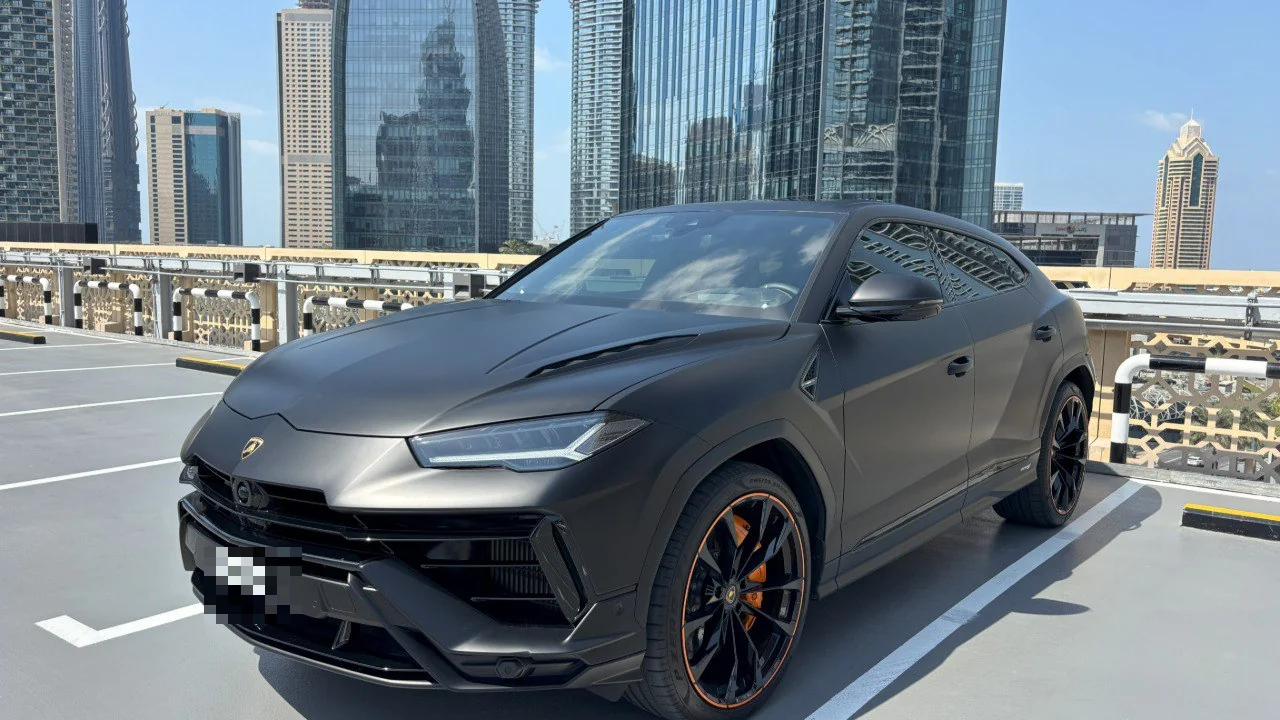
The Lamborghini Urus combines supercar performance with the practicality of a luxury SUV. Its powerful engine, sophisticated chassis systems and advanced technology deliver an exceptional driving experience. However, these complex components also require careful maintenance and the correct replacement parts.
For Urus owners in Dubai, Abu Dhabi and across the UAE, high temperatures, dusty conditions, stop start traffic and long parking periods can add further maintenance considerations. Potential concerns include coolant leaks, oil leaks, suspension faults, electrical warnings and premature tyre or brake wear.
European Auto Spares supplies luxury and performance car spare parts, including Lamborghini components, from Dubai to customers throughout the UAE and worldwide. Understanding the potential problems associated with the Urus can help owners recognise warning signs, assess a vehicle’s condition and make better informed replacement part decisions.
12 Potential Lamborghini Urus Problems Owners Should Know
Although the Lamborghini Urus combines supercar performance with SUV practicality, its advanced mechanical and electronic systems can develop faults over time. Here are 12 potential problems to watch for, including issues that deserve particular attention in the UAE’s hot climate and demanding driving conditions.
1. Coolant Leaks and Cooling System Problems
The Urus’s high output twin turbocharged V8 engine generates substantial heat, making cooling system condition essential. Depending on the vehicle and fault, coolant loss can result from deteriorating hoses, leaking connections, seals or other cooling system components. In the UAE, sustained heat and heavy traffic can place additional demands on the cooling system. A small leak should not be dismissed simply because the engine temperature initially appears normal.
- Warning Signs: A dropping coolant level, temperature warnings, visible fluid beneath the SUV or an unusual sweet smell after driving.
- What to Consider: Check the coolant level only under the conditions specified in the owner’s manual. Investigate recurring coolant loss rather than repeatedly topping up the reservoir. Never open a pressurised cooling system when the engine is hot.
2. Engine Oil Leaks and Fluid Loss
Oil leaks are another potential concern when assessing a used Urus or monitoring an ageing vehicle. Seals, gaskets and connections may deteriorate over time, while heat exposure and previous maintenance history can influence component condition. An oil leak can be especially concerning if it allows the engine to operate with insufficient lubrication. Oil reaching hot engine or exhaust surfaces may also create smoke or unusual smells.
Warning Signs: Fresh oil beneath the vehicle, a falling oil level, an oil pressure warning or a burning smell after driving.
Check fluid levels according to the vehicle manufacturer’s instructions and investigate unexplained losses promptly. The colour and location of a leak can provide initial clues, but they do not confirm which component needs replacement.
3. Air Suspension and Ride Height Faults
Many Urus variants use sophisticated suspension technology designed to balance comfort, handling and ground clearance. Depending on the model and specification, suspension equipment and calibration can differ. Potential concerns include air spring leaks, damper problems, compressor faults, height sensor issues or electronic warnings. These symptoms may affect ride comfort and the vehicle’s ability to maintain its expected ride height.
Warning Signs: One corner sitting unusually low, uneven ride height, persistent suspension warnings or repeated compressor operation.
A suspension warning does not automatically mean the complete assembly needs replacement. The affected system should be identified before selecting components. Also, suspension designs differ between variants, so the equipment fitted to a Urus Performante should not be assumed to match every other Urus.
4. Active Roll Stabilisation and Chassis System Warnings
Certain Urus configurations use advanced chassis technology, including electronically controlled systems designed to limit body roll during cornering. Where fitted, electromechanical active roll stabilisation adds further components that must operate correctly. A chassis warning, unusual body movement or inconsistent handling may indicate a fault in a suspension component, sensor, electrical connection or related control system. However, these symptoms can have several possible causes.
Warning Signs: A recurring chassis warning, unexpected body movement, unusual suspension noises or a noticeable change in handling.
Because chassis systems interact with other vehicle controls, an isolated warning should not be used to identify a failed part without further investigation. Confirm the exact system and vehicle specification before sourcing a replacement.
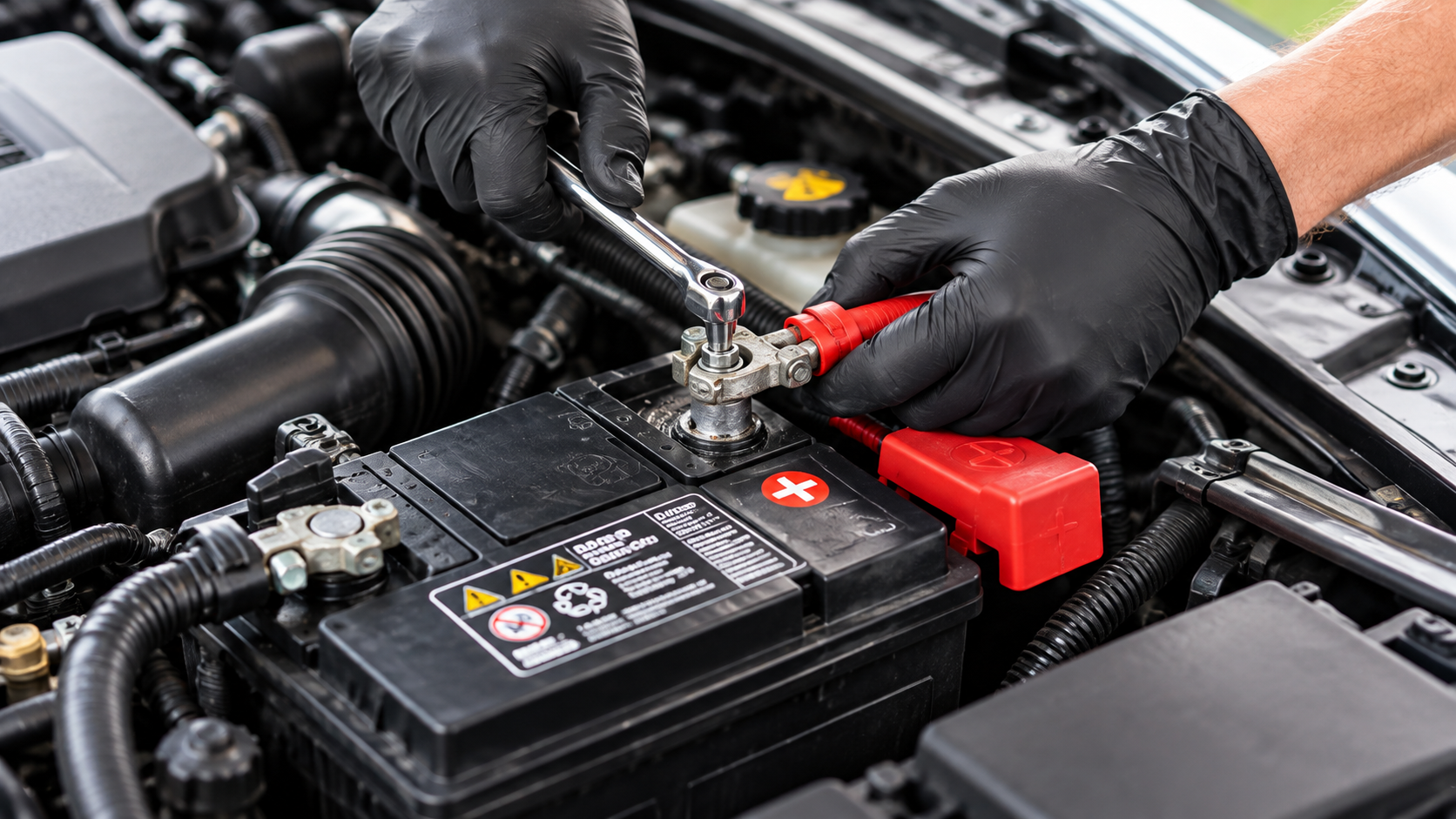
5. Battery Discharge and Starting Difficulties
The Urus contains multiple electronic systems that require a stable electrical supply. Long periods without driving, repeated short journeys and battery ageing can contribute to discharge. Low voltage may cause slow starting, warning messages or intermittent electronic behaviour. Several alerts appearing together do not necessarily indicate that multiple separate components have failed.
Warning Signs: Slow engine cranking, repeated battery warnings, difficulty starting after parking or inconsistent operation of electronic features.
Follow the manufacturer’s battery care and storage recommendations, particularly if the SUV is driven infrequently. Persistent discharge needs proper investigation because a worn battery, charging issue or excessive electrical drain can produce similar symptoms.
6. Transmission and Drivetrain Concerns
The Urus uses an eight speed automatic transmission, unlike the automated manual gearboxes found in some older Lamborghini supercars. Its driving behaviour should therefore be assessed according to the correct model and transmission specification. Unexpected shift hesitation, harsh engagement or vibration can arise from different causes, including operating conditions, control system issues or mechanical wear. A single unfamiliar shift does not establish that the transmission has failed.
Warning Signs: Repeated harsh shifts, persistent transmission warnings, unusual noises or hesitation that differs from the vehicle’s normal behaviour.
Pay attention to changes that occur consistently rather than assuming every low speed shift is a fault. Maintenance records and accurate vehicle details are important when assessing transmission related components.
7. Infotainment, Rearview Camera and Sensor Faults
The Urus relies on digital displays, parking sensors, cameras and electronic control systems to support daily driving. Software issues, sensor faults or electrical interruptions can affect how these features operate.
Warning Signs: A blank display, intermittent parking alerts, camera images that fail to appear or recurring electronic warnings.
These symptoms do not necessarily indicate a hardware failure. A useful example is a US safety recall published in December 2025 covering certain 2019–2024 Urus vehicles for a software issue that could prevent the rearview camera image from displaying. This does not mean every Urus, or every UAE vehicle, is affected. Owners should check their individual vehicle through a trusted Lamborghini service centre.
8. Turbocharger, Ignition and Engine Performance Issues
The Urus’s twin turbocharged V8 depends on effective ignition, fuel delivery, airflow management and boost control. Problems affecting these systems can cause a noticeable change in performance. Potential causes include worn ignition components, sensor faults, air leaks or problems within the turbocharger control system. A loss of power does not automatically mean a turbocharger needs replacement.
Warning Signs: Hesitation during acceleration, rough idling, unusual engine noises, reduced power or recurring engine warning lights.
A flashing engine warning light accompanied by rough running should be treated seriously. Avoid demanding driving until the cause has been assessed. Diagnostic results and the vehicle’s exact engine specification can help determine which components require attention.
9. Premature Tyre Wear and Wheel Damage
The Urus combines substantial weight with performance focused tyres and large wheel options. Its tyres must manage acceleration, braking, cornering forces and the demands of different driving conditions. Incorrect tyre pressure, wheel alignment issues, suspension wear and impacts from potholes or kerbs can contribute to uneven wear. Low profile tyres may also be more vulnerable to sidewall damage than tyres with taller sidewalls.
Warning Signs: Uneven tread wear, vibration through the steering wheel, tyre pressure warnings, sidewall bulges or visible wheel damage.
Inspect tyres regularly and follow the pressure specifications for the fitted tyres and vehicle configuration. After a significant impact, check for alignment problems and hidden tyre or wheel damage rather than relying on a visual inspection alone.
10. Brake Pad and Disc Wear
Despite its SUV body style, the Urus delivers high performance that places considerable demands on its braking system. Brake wear depends on driving style, mileage, vehicle weight and the braking equipment fitted. Some Urus configurations use carbon ceramic brakes, while the equipment available can differ by variant and market. Each system has specific inspection and replacement requirements.
Warning Signs: Grinding noises, persistent brake warnings, vibration during braking or reduced braking performance.
Brake squeal alone does not confirm a fault, as operating conditions and brake materials influence noise. However, unusual sounds, warning messages or changes in braking performance require attention. Replacement pads, discs and associated hardware must match the vehicle’s actual specification.
11. Air Conditioning Problems in Extreme Heat
Effective air conditioning is essential for a vehicle driven regularly in the UAE. High outdoor temperatures increase the demand placed on the cabin cooling system, particularly after the Urus has been parked in direct sunlight. Weak cooling can result from several causes, including refrigerant leaks, restricted airflow, sensor faults or problems with the compressor and cooling fans.
Warning Signs: Warm air from the vents, inconsistent cabin temperatures, unusual noises or reduced airflow.
If the system gradually loses cooling performance, investigate the underlying cause instead of repeatedly adding refrigerant. Keeping the relevant filters and components in suitable condition also helps maintain cabin comfort during Dubai’s hottest months.
12. Hybrid System Concerns in the Lamborghini Urus SE
The Urus SE introduces plug-in hybrid technology, combining a re-engineered twin turbo V8 with an electric motor and high voltage battery system. These features distinguish it from the earlier petrol powered Urus variants. Its additional electrical and thermal management systems introduce different maintenance considerations. Potential warning signs may involve the hybrid system, charging functions, battery management or restricted power delivery.
Warning Signs: Hybrid system alerts, charging interruptions, abnormal power delivery or messages restricting certain vehicle functions. These symptoms do not automatically indicate a failed battery. A proper assessment must distinguish between the high voltage battery, electric drive components, charging equipment and associated control systems.
High voltage components require appropriate specialist handling. Owners should also follow the Urus SE’s specific charging and maintenance instructions rather than applying guidance intended for earlier petrol models.
Important Disclaimer Note!
These are potential issues to check for, not confirmed defects affecting every Lamborghini Urus. The likelihood and relevance of each issue depend on the model year, specification, mileage, maintenance history and driving conditions.
What Lamborghini Urus Owners Should Know About UAE Driving Conditions
The UAE climate and local driving patterns influence how owners should monitor their vehicles. The key is to adapt routine checks to actual conditions rather than assume that every Urus needs the same interventions.
- Extreme Temperatures and Coolant Health: High ambient temperatures make cooling system conditions especially important. Monitor fluid levels according to the owner’s manual, investigate leaks promptly and pay attention to engine temperature warnings.
- Stop Start Traffic and Braking Demands: Frequent braking and repeated acceleration create different demands from steady motorway driving. Monitor brake condition, tyre wear and changes in transmission behaviour, especially if the vehicle is driven daily.
- Tyres, Road Surfaces and Pressure: Heat, tyre condition and road impacts all matter. Check pressure according to the specified measurement conditions and inspect for cuts, bulges or uneven tread wear.
- Long Parking Periods and Battery Health: Infrequent use can contribute to battery discharge and flat spots in tyres. Follow the manufacturer’s storage recommendations and check the vehicle before returning to regular driving.
Dubai’s Roads and Transport Authority reinforced the importance of checking tyres, brakes, fluids, air conditioning and visible leaks. These checks are practical for Urus owners, especially before long journeys or periods of extreme heat.
Maintenance Habits That Help Keep a Urus in Better Condition
Preventive maintenance helps owners identify concerns before they lead to more extensive component damage. Lamborghini’s official scheduled maintenance information explains its maintenance programmes and planned inspections for applicable models. For the Urus, sensible habits include:
- Follow the maintenance schedule applicable to your exact model and year.
- Record service visits, component replacements and recurring warning messages.
- Check tyres, visible leaks and fluid levels at the intervals recommended by the manufacturer.
- Investigate repeated electrical, engine or chassis warnings instead of treating them as isolated events.
- Check for applicable safety recalls using the official VIN lookup.
These steps support informed ownership decisions without replacing the need for vehicle specific maintenance guidance.
How to Choose the Correct Lamborghini Urus Spare Parts
Finding a replacement component involves more than identifying the vehicle as a Lamborghini Urus. Parts can differ by production year, variant, engine configuration, market specification and optional equipment. Before ordering, prepare the following details:
- VIN: The vehicle identification number helps establish the vehicle’s identity and configuration.
- Model Year and Variant: Specify whether the vehicle is an Urus, Urus S, Urus Performante or Urus SE.
- Original Part Number: Verify the number against reliable parts information where available.
- Component Details: Photographs, markings and connector information can help clarify the required item.
- Compatibility Requirements: Confirm that the component matches the vehicle’s exact specification.
When comparing genuine original equipment parts and reputable alternatives, consider the intended application, quality documentation and manufacturer requirements. Similar appearance or a lower price does not guarantee correct fitment.
Get the Right Parts for Your Lamborghini Urus
Choosing the correct component starts with knowing your exact vehicle specification. Before ordering, gather your Urus’s VIN, model year, variant and existing part number where available. European Auto Spares helps customers source luxury and supercar spare parts from Dubai, with delivery throughout the UAE and worldwide. Share your vehicle details to help narrow down compatible options and make your next replacement parts search more straightforward.
Frequently Asked Questions
Potential problems include coolant leaks, oil leaks, suspension faults, battery discharge, electronic warnings, tyre damage and brake wear. The likelihood of each issue depends on the vehicle's age, variant, condition and maintenance history.
The Urus is designed to combine SUV practicality with high performance. However, daily use in Dubai makes tyre condition, battery health, air conditioning and cooling system maintenance particularly important.
No! The original Urus, Urus S, Urus Performante and Urus SE differ in specifications and equipment. The Urus SE also has plug-in hybrid components, so its maintenance considerations differ from those of petrol only versions.
European Auto Spares supplies luxury and performance car spare parts, including Lamborghini components, from Dubai to customers across the UAE and worldwide. Provide your VIN, model year, variant and part number where available to help establish the correct fitment.
Final Notes
The Lamborghini Urus combines powerful performance with complex engine, transmission, suspension and electronic systems. Potential concerns include coolant leaks, oil loss, chassis warnings, battery discharge, engine performance changes, brake wear and tyre damage. The Urus SE adds hybrid specific considerations that do not apply to earlier petrol variants.
In the UAE, high temperatures, heavy traffic, dusty conditions and extended parking make preventive maintenance particularly valuable. Monitor warning signs, follow the correct service schedule and verify recall eligibility.
When replacement parts are needed, confirm compatibility using the VIN, model year, variant and relevant part number. These steps help Urus owners make better informed maintenance decisions while protecting vehicle performance and long term condition.