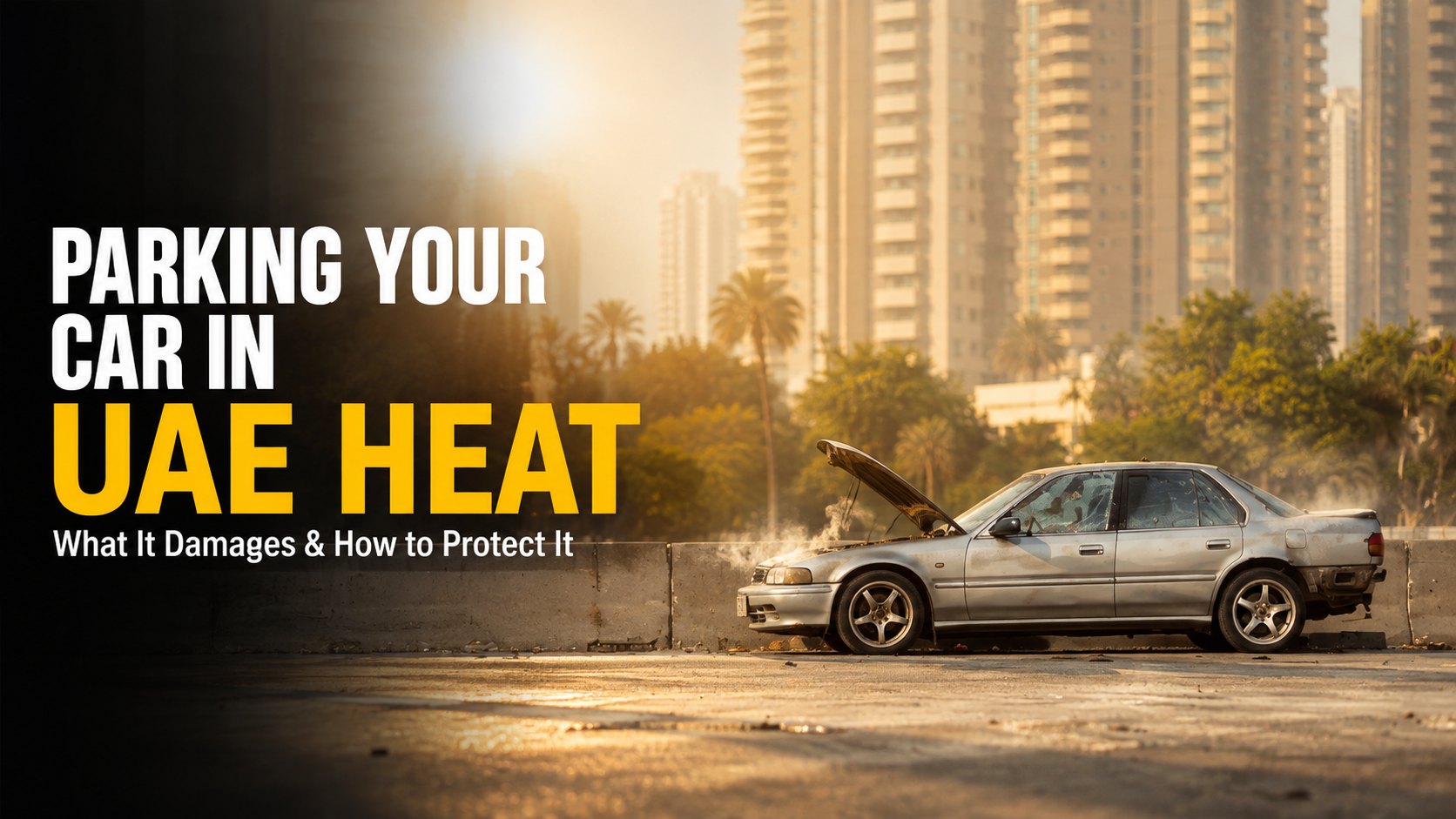

The UAE’s intense summer temperatures regularly exceed 45°C, placing enormous strain on vehicle cooling systems. Whether you drive a luxury sedan, SUV, sports car or daily commuter, engine overheating is one of the most common and potentially expensive problems motorists face during the hottest months.
Ignoring an overheating engine can quickly lead to severe damage, including blown head gaskets, warped cylinder heads, cracked engine blocks and complete engine failure. Fortunately, many overheating issues can be prevented with regular maintenance and early diagnosis.
Here’s everything UAE drivers should know about engine overheating, its causes, warning signs and how to prevent costly repairs.
Why Do Cars Overheat More Often in the UAE?
Unlike many countries, vehicles in the UAE operate in extreme environmental conditions for several months each year.
Factors that increase the risk include:
- Ambient temperatures regularly above 40–50°C
- Heavy stop-start traffic causing limited airflow
- Long motorway journeys at high speeds
- Mountain driving and steep inclines
- Dust and sand reducing radiator efficiency
- Increased reliance on air conditioning systems
All of these force the cooling system to work significantly harder than normal.
How Your Engine Cooling System Works
Modern engines generate enormous amounts of heat during combustion. The cooling system is responsible for maintaining the engine at its ideal operating temperature.
Key components include:
- Radiator
- Coolant (antifreeze)
- Water pump
- Thermostat
- Cooling fans
- Radiator hoses
- Expansion tank
If any one of these components fails, engine temperatures can rise rapidly.
Common Causes of Engine Overheating
1. Low Coolant Levels
Coolant absorbs engine heat before transferring it through the radiator.
If coolant levels are low due to leaks or poor maintenance, the engine cannot regulate temperature effectively.
Common leak locations include:
- Radiator
- Water pump
- Hose connections
- Expansion tank
- Heater core
Never rely on topping up coolant repeatedly without identifying the source of the leak.
2. Radiator Problems
Your radiator dissipates heat using airflow.
Over time it can become clogged with:
- Dust
- Sand
- Road debris
- Corrosion
- Internal sediment
A blocked radiator reduces cooling efficiency significantly—particularly during UAE summers.
3. Faulty Thermostat
The thermostat controls coolant flow between the engine and radiator.
If it becomes stuck closed, coolant cannot circulate, causing temperatures to rise rapidly.
Symptoms often include:
- Temperature gauge climbing quickly
- Heater blowing cold air
- Sudden overheating after driving only a short distance
4. Cooling Fan Failure
Electric cooling fans provide airflow when the vehicle is stationary or moving slowly.
If a fan motor, relay or temperature sensor fails, overheating usually occurs:
- In traffic
- At traffic lights
- During long periods of idling
Once the vehicle begins moving again, temperatures may temporarily return to normal.
5. Water Pump Failure
The water pump continuously circulates coolant around the engine.
Signs of failure include:
- Coolant leaks
- Grinding noises
- Engine overheating
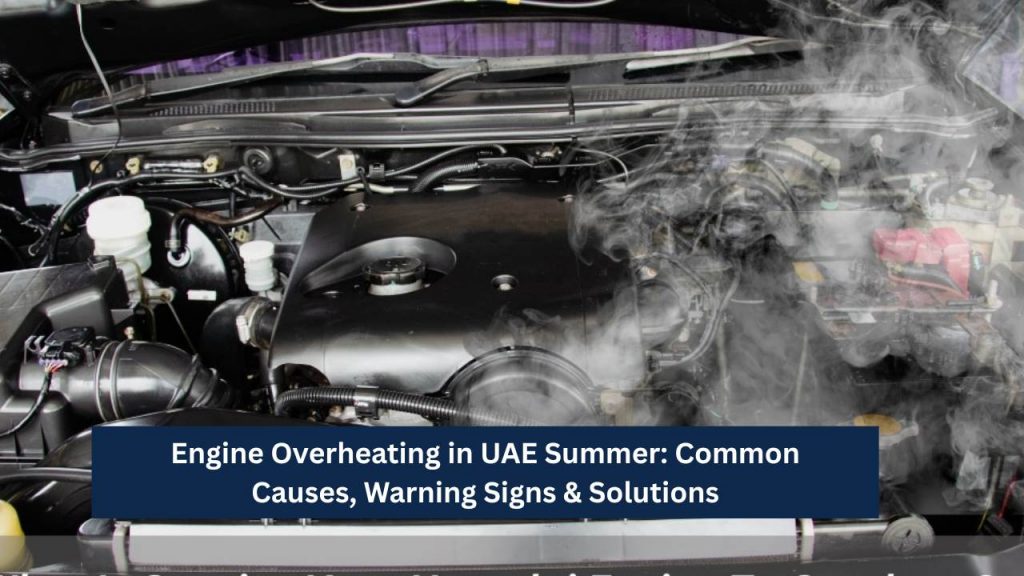
- Steam from the engine bay
Ignoring a failing water pump can quickly result in severe engine damage.
6. Damaged Radiator Hoses
Cooling hoses operate under high pressure and extreme temperatures.
Over time they can:
- Crack
- Swell
- Split
- Leak
Even a small coolant leak can become a major overheating issue.
7. Old or Contaminated Coolant
Coolant doesn’t last forever.
As it ages, it loses its:
- Corrosion protection
- Lubricating properties
- Heat transfer efficiency
Using the wrong coolant type can also cause internal corrosion and poor cooling performance.
8. Head Gasket Failure
A blown head gasket is both a cause and a consequence of overheating.
Typical symptoms include:
- White exhaust smoke
- Milky engine oil
- Coolant loss
- Continuous overheating
- Poor engine performance
This requires immediate professional diagnosis.
Warning Signs Your Engine Is Overheating
Watch for these early indicators:
- Temperature gauge higher than normal
- Dashboard overheating warning light
- Steam coming from the bonnet
- Sweet smell of coolant
- Loss of engine power
- Knocking or pinging noises
- Air conditioning becoming less effective
Never ignore these warning signs.
What To Do If Your Engine Overheats
If your temperature gauge suddenly climbs:
Pull Over Safely
Find a safe location immediately.
Driving an overheating engine can cause catastrophic damage within minutes.
Turn Off the Air Conditioning
This reduces engine load.
If necessary, switch the cabin heater to maximum to help draw heat away from the engine.
Do Not Open the Radiator Cap
Never remove the radiator cap while the engine is hot.
The cooling system is pressurised and boiling coolant can cause serious burns.
Allow the Engine to Cool
Wait at least 30 minutes before inspecting coolant levels.
Arrange Professional Inspection
Even if the engine appears to return to normal, the underlying issue should be diagnosed before continuing regular driving.
How to Prevent Engine Overheating in the UAE
Routine maintenance remains the best defence against overheating.
Recommended preventative measures include:
- Check coolant levels regularly
- Replace coolant according to manufacturer schedules
- Inspect radiator hoses for wear
- Keep the radiator free from debris
- Ensure cooling fans operate correctly
- Replace worn thermostats when required
- Service the cooling system before peak summer
- Investigate any coolant leaks immediately
Preventative maintenance is considerably less expensive than repairing an overheated engine.
Luxury & Performance Cars Need Extra Attention
High-performance engines often generate more heat than standard vehicles.
Brands such as: Ferrari, Lamborghini, McLaren, Porsche, Bentley, Aston Martin, Maserati, Rolls-Royce & Mercedes-AMG
depend on sophisticated cooling systems that require specialist servicing and manufacturer-approved coolant specifications.
Ignoring cooling system maintenance can lead to expensive repairs that are often avoidable.
When Should You Have Your Cooling System Checked?
A cooling system inspection is recommended if:
- Your vehicle is over two years old
- You’re planning a long road trip
- The temperature gauge fluctuates
- You’ve noticed coolant loss
- The air conditioning isn’t cooling properly
- Your vehicle has recently overheated
- Summer temperatures are approaching
Having the cooling system inspected before problems develop can help avoid unexpected breakdowns.
Keep Your Engine Cool This Summer
Extreme UAE temperatures push every vehicle to its limits, making a healthy cooling system essential for reliable performance. Paying attention to warning signs, maintaining the correct coolant level and addressing small issues early can help prevent major engine damage and expensive repairs.
If you’ve noticed rising engine temperatures, coolant leaks or any signs of overheating, having your vehicle professionally inspected can identify problems before they become serious. At Alex Renner Motors, experienced technicians carry out comprehensive cooling system inspections, coolant replacement, radiator diagnostics, water pump repairs and engine health checks for luxury, performance and premium vehicles, helping keep your car running reliably throughout the UAE summer.