
Parking Your Car in UAE Heat: What It Damages and How to Protect It
Parking your car in UAE heat can damage its paint, tyres, battery, interior, air-conditioning system and other components, but simple precautions can significantly reduce the risk. This guide explains what extreme UAE temperatures can do to your vehicle, how to protect a parked car in summer, and when professional inspection or maintenance may be needed.
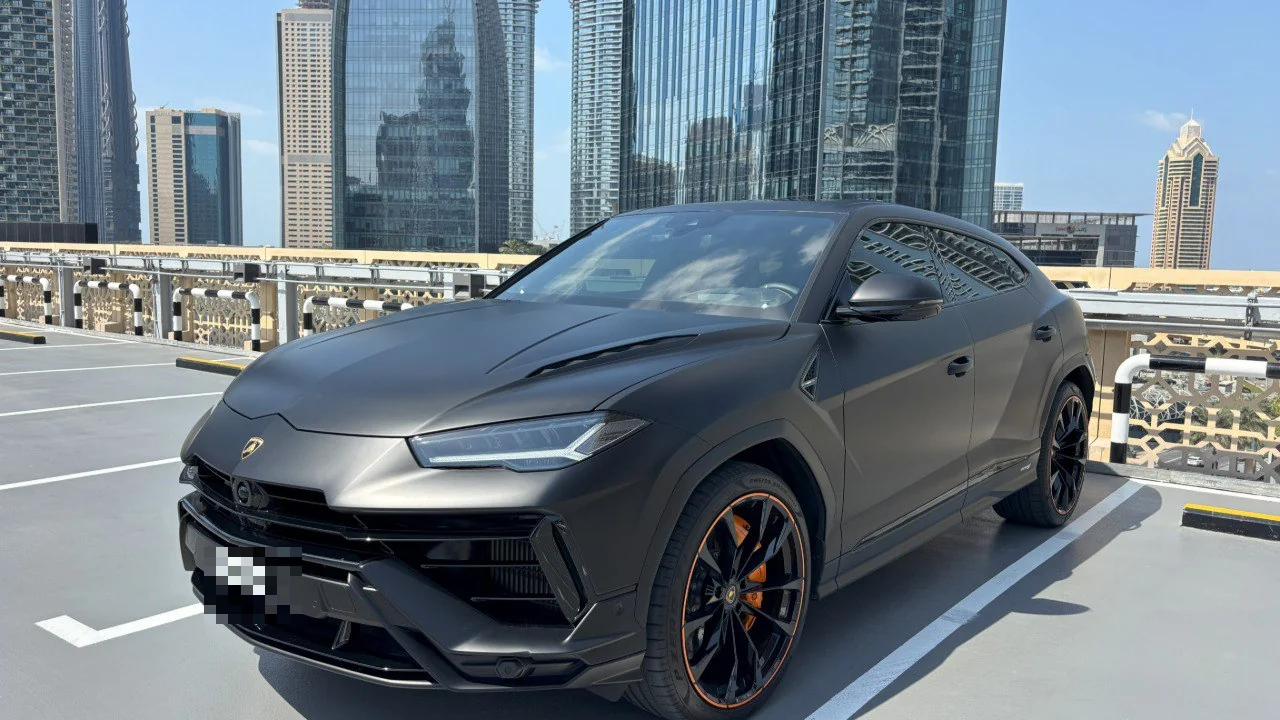
For luxury, performance and classic cars, heat protection is particularly important because specialist finishes, leather interiors, electronic systems and high-performance components can be expensive to repair or replace.
What Happens When You Park a Car in UAE Heat?
A UAE summer can expose a parked vehicle to intense sunlight and extremely high ambient temperatures for hours at a time. The temperature inside a closed car can rise dramatically above the outside temperature, creating a harsh environment for the dashboard, seats, electronics and other interior materials.
Repeated heat exposure can accelerate material ageing, dry out surfaces and contribute to cracking, fading and deterioration. The combination of heat, direct sunlight, dust and humidity can make the problem worse, particularly when a vehicle is parked outside regularly.
Can UAE Heat Damage Your Car Paint?
Yes. Prolonged exposure to intense sunlight and ultraviolet radiation can gradually affect a vehicle’s paint and clear coat. Darker colours can also become particularly hot when parked in direct sunlight, although every exterior finish is exposed to the same basic environmental risks.
UV exposure can contribute to fading, oxidation and loss of gloss over time. Dust and sand sitting on the surface can add another problem, as wiping or washing a dusty vehicle incorrectly can create fine scratches and swirl marks.
Regular washing using the correct techniques, parking in shade and applying appropriate paint protection can help reduce long-term deterioration.
For additional protection, see our guide to paint protection film and how it protects your car.
How Does Heat Affect Your Car Interior?
Your car’s cabin can become one of the hottest areas of the vehicle when it is left in direct sunlight. Dashboards, steering wheels, door panels and other surfaces can become extremely hot, while repeated heating and cooling cycles place additional stress on interior materials.
Leather and synthetic upholstery may dry out, fade or become less supple when exposed to prolonged heat and sunlight. Dashboards and plastic trim can also become brittle over time, increasing the risk of cracking.
Using a quality sunshade, parking undercover and applying suitable leather or interior protection products can help minimise unnecessary heat and UV exposure.
Can Parking in the Heat Damage Your Car Battery?
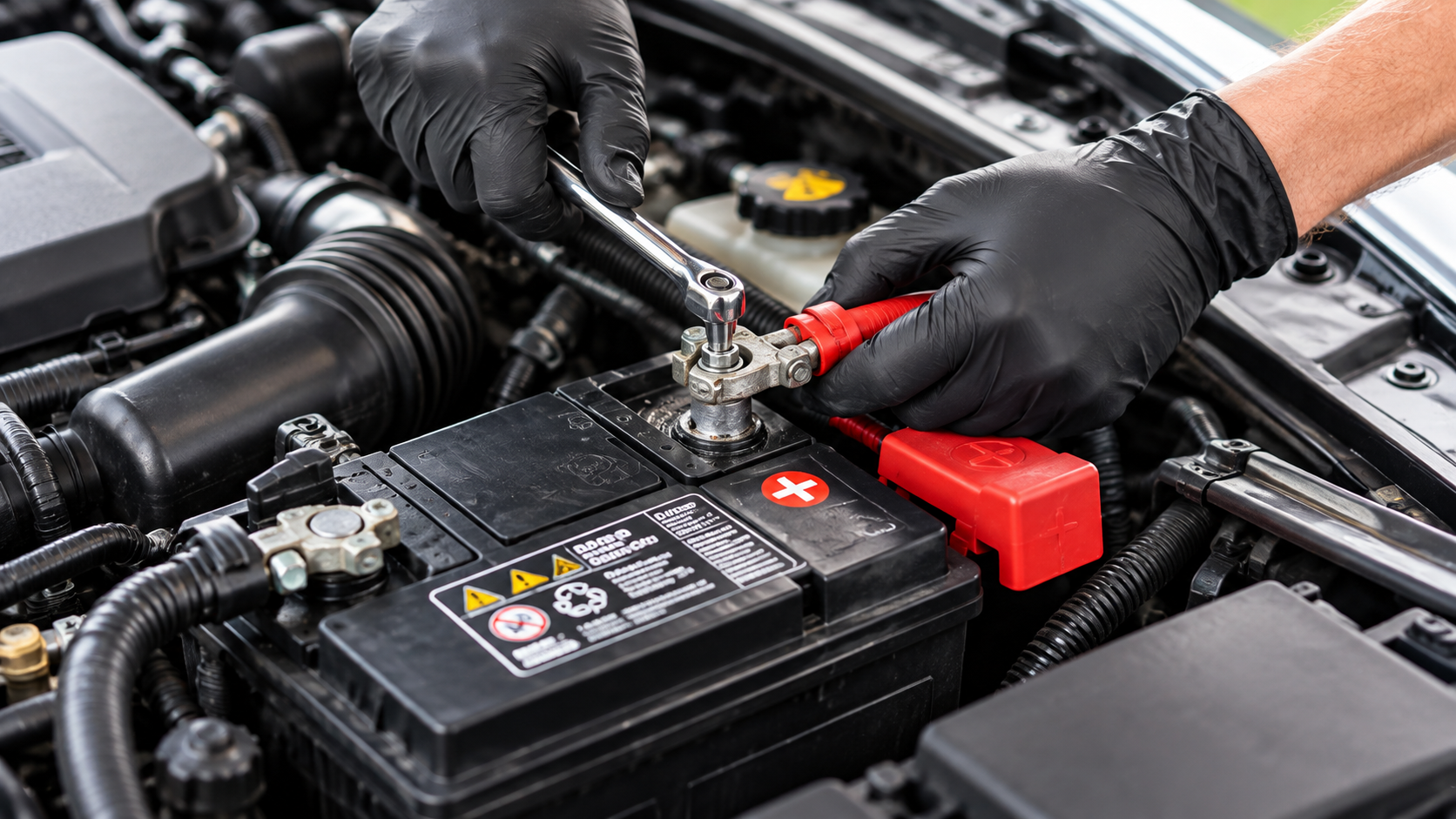
Extreme temperatures can be hard on a vehicle battery. While cold weather is often associated with battery problems, high temperatures can also accelerate battery deterioration and reduce its overall service life.
Heat can increase the rate at which battery fluid evaporates and can contribute to internal degradation. A battery that is already ageing may therefore become more likely to fail, particularly when combined with frequent short journeys, prolonged parking or high electrical loads.
If your car is taking longer to start, displaying battery warnings or experiencing electrical issues, it is worth having the battery and charging system tested rather than waiting for a complete failure.
What Does UAE Heat Do to Tyres?
Tyres are another important consideration when parking and driving in extreme heat. High temperatures can increase tyre pressure, while prolonged exposure to sunlight and heat can contribute to rubber ageing.
Inspect tyres regularly for cracks, bulges, uneven wear and damaged sidewalls. Tyre pressure should also be checked according to the vehicle manufacturer’s recommended specifications rather than simply reducing pressure because the tyres appear inflated after sitting in the heat.
Uneven tread wear can also indicate an underlying alignment, suspension or balancing problem. If you notice unusual wear, have the vehicle inspected before it develops into a bigger safety issue.
Can Heat Damage Your Car’s Fluids and Mechanical Components?
Extreme temperatures place additional demands on fluids and cooling systems. Engine oil, coolant, transmission fluid and other vehicle fluids must operate within their designed temperature ranges, while the cooling system has to work harder to remove excess heat.
This makes routine maintenance especially important in the UAE. Low fluid levels, degraded coolant, damaged hoses, blocked radiators or a weak cooling fan can become much more noticeable when temperatures are high.
If your temperature gauge rises unexpectedly, a warning light appears or you notice coolant leaking, do not continue driving and hope the problem disappears. An overheating engine can suffer serious and expensive damage.
Why Is Your Car’s Air Conditioning Working Harder?
Air conditioning is essential for comfortable driving in the UAE, but extreme outdoor temperatures mean your system has to work harder to cool the cabin. Leaving a car parked in direct sunlight makes the initial cooling process even more demanding.
A weak A/C system may struggle to bring the cabin temperature down, particularly if the refrigerant level, compressor, condenser, cabin filter or other components require attention.
If your A/C is taking longer than normal to cool the vehicle, producing unusual smells or blowing air that is not sufficiently cold, have the system checked before the hottest part of summer.
Does Parking in Shade Really Protect Your Car?
Yes. Parking in a shaded or covered area is one of the simplest ways to reduce direct solar exposure. A covered parking space can help protect the exterior, interior and other heat-sensitive components from prolonged sunlight.
If covered parking is unavailable, use a quality windshield sunshade and consider a breathable, properly fitted car cover where appropriate. Avoid using a cover on a dirty vehicle, as trapped dust and grit can rub against the paint and create scratches.
For vehicles that are not driven regularly, professional indoor storage provides another option. Alex Renner Motors’ luxury car storage service in Dubai provides climate-controlled indoor storage designed for luxury, supercar, hypercar, classic and collector vehicles.
How Can You Protect Your Car From UAE Heat?
A few simple habits can make a meaningful difference to your vehicle’s condition:
- Park indoors or under cover whenever possible.
- Use a quality windshield sunshade when outdoor parking is unavoidable.
- Wash the car correctly to remove dust, sand and contaminants without damaging the paint.
- Check tyre pressures regularly and inspect the tyres for cracks or uneven wear.
- Test the battery, particularly if the vehicle is several years old.
- Check coolant and other fluids as part of routine maintenance.
- Maintain the air-conditioning system before it begins struggling.
- Protect leather and interior surfaces with products suitable for the manufacturer’s materials.
- Consider paint protection if the vehicle spends significant time outdoors.
- Use professional indoor storage for vehicles that are parked for extended periods.
The best approach is preventative rather than waiting for visible damage to appear.
What About Cars That Sit Unused During Summer?
A car that remains parked for weeks or months is not necessarily protected simply because it is not being driven. Long periods of inactivity can create their own issues, particularly when combined with high temperatures.
Battery condition, tyre pressures, fluid levels and general cleanliness should all be monitored. Dust accumulation, moisture and lack of movement can also affect a vehicle over time.
For valuable or rarely driven cars, dedicated indoor storage can provide a more controlled environment. Alex Renner Motors’ Dubai luxury car storage service includes climate-controlled indoor parking, security monitoring and vehicle care procedures designed for stored vehicles.
UAE Heat Car Protection: FAQ Frequently Ask Questions
The temperature inside a parked vehicle can become substantially higher than the outdoor air temperature, particularly when the car is in direct sunlight. The exact cabin temperature depends on factors including outdoor temperature, sunlight, vehicle colour, ventilation and parking conditions.
Only where it is safe and permitted. Leaving windows open can create security risks and does not replace proper shade or covered parking. A sunshade and covered parking are generally more practical ways to reduce solar heat entering the cabin.
Heat alone does not mean a correctly maintained tyre will suddenly fail. However, high temperatures can increase tyre pressure, and existing damage, under-inflation, overloading, ageing or excessive wear can increase the risk of tyre failure. Regular inspections are important.
There is no single interval that applies to every vehicle because battery life depends on the battery type, vehicle, usage and environmental conditions. If the battery is ageing or you notice slow starting or electrical warnings, have it tested rather than waiting for failure.
For a vehicle that is rarely driven, climate-controlled indoor storage can reduce exposure to direct sunlight, extreme temperatures, dust and other environmental factors. It can be particularly useful for classic, collector, luxury and high-performance vehicles.
Don’t Wait for Heat Damage to Become a Repair
UAE heat is unavoidable, but excessive exposure does not have to become expensive vehicle damage. Protecting your car starts with simple decisions such as where you park, how you maintain the paint and interior, and how regularly you check tyres, battery, fluids and cooling components.
For vehicles that spend long periods off the road, professional climate-controlled car storage in Dubai can provide an additional layer of protection.
If your vehicle has already spent significant time exposed to UAE heat, consider booking a professional inspection to identify problems before they become costly repairs.