
Porsche Spare Parts: The Complete Guide Every Owner Needs
Porsche is not just a car. It is a statement of engineering, a machine built to perform at the highest level every single time you press the accelerator. But keeping that performance alive requires more than passion. It requires knowledge, the right parts, and timely attention to what your car is telling you.
Whether you own a classic 911, a Cayenne SUV, a Panamera, or a Cayman, understanding your Porsche from the inside out is the difference between a car that stays legendary and one that quietly depreciates on a lift.
This guide covers everything: the history behind the machines, the symptoms owners most commonly ignore and how to read fault codes. In addition, how professional diagnostics work, which parts matter most, and how the UAE climate adds its own layer of complexity to it all.
The Story Behind the Machine: Porsche History and Its Impact on Parts
To understand Porsche spare parts, you need to understand what makes these cars different at the design level. Porsche was not built to be ordinary, and that philosophy runs straight through every component.
Ferdinand Porsche and the Foundation of Innovation
Ferdinand Porsche established his engineering consultancy in Stuttgart in 1931, but his curiosity about vehicles went back decades earlier. In the late 1800s, he was already experimenting with electric wheel hub motors and early hybrid concepts. This was not the typical mindset of the era. That forward thinking shaped the DNA of every Porsche that came after.
The Birth of Porsche: The 356 Roadster
The first car to carry the Porsche name commercially was the 356 Roadster in 1948, built under the direction of Ferry Porsche, Ferdinand’s son. It was hand assembled, lightweight, and focused entirely on the driving experience. The craftsmanship standard set with that early car influenced how Porsche approached manufacturing from that point forward.
The 911: A Design That Changed Automotive History
Then came 1963 and the introduction of the 911. No car in history has had quite the same cultural staying power. The rear engine layout, the wide rear fenders, the flat six sound. It was polarizing when it launched and became iconic within a decade. The 911 is still in production today, and the engineering lessons learned through six decades of refining it flow directly into the components used across the entire Porsche lineup.
Motorsport Success and Engineering Durability
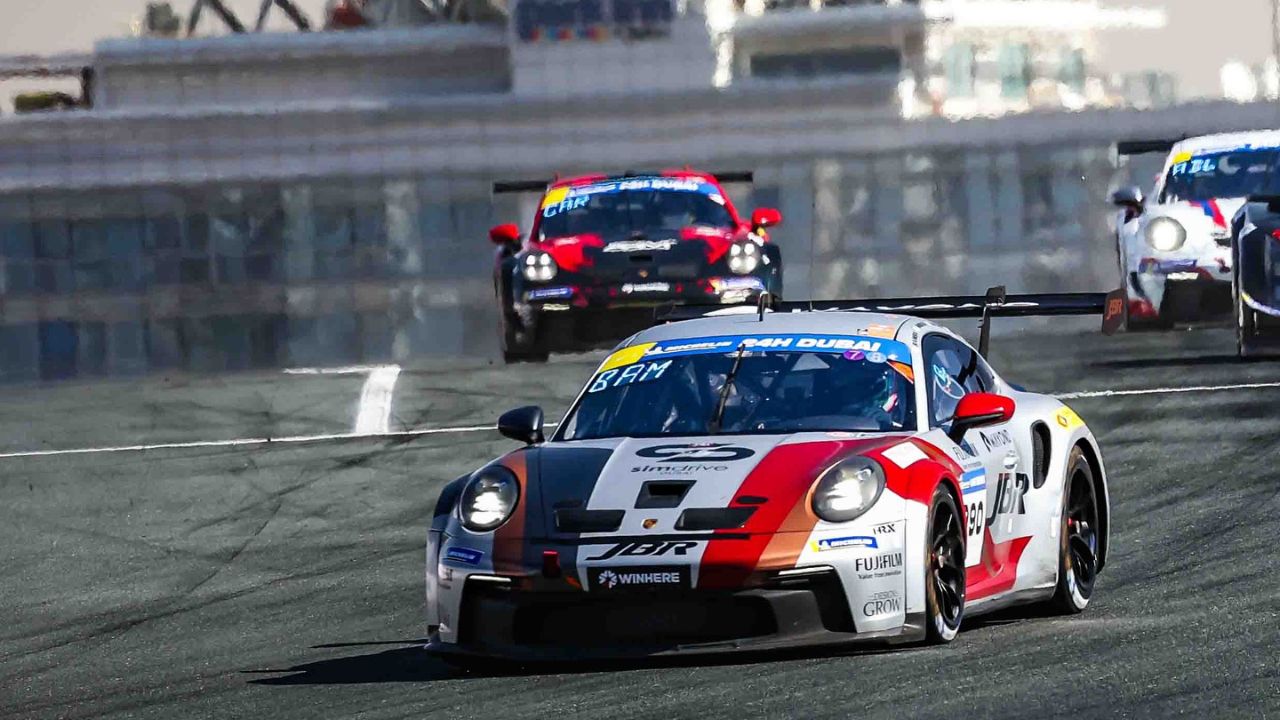
Racing added another dimension. The 959 won the Paris to Dakar rally in 1986. Porsche has multiple overall victories at Le Mans. These are not marketing achievements. They are proof of engineering durability under extreme conditions, and that durability is what Porsche owners expect when they buy spare parts.
Porsche’s Modern Era: Electrification and Advanced Systems
Today, Porsche is navigating a transformation toward electrification with models like the Taycan, while still producing the turbocharged combustion engines that defined the brand. This means the parts landscape is broader than ever, covering traditional mechanical systems alongside sophisticated electronic platforms.
15 Warning Signs Your Porsche Is Asking for Attention
Porsches are precise machines, and when something is wrong, they communicate it clearly. The challenge for most owners is knowing what those signals mean before they escalate into expensive repairs. Here are the 15 most important symptoms to recognise.
1. Engine Misfire Under Acceleration
You press the pedal, and instead of a clean surge of power, you feel a hesitation or stumble. This is a misfire, and it usually points to worn spark plugs, a failing ignition coil, a clogged fuel injector, or a leak in the air intake system. Left unaddressed, misfires cause rough running, poor fuel economy, and eventually catalytic converter damage.
2. Coolant Loss or Overheating
The temperature gauge climbing higher than usual, or a persistent need to top up the coolant reservoir, is never something to ignore. Leaking hoses, a cracked expansion tank, or a damaged radiator are the usual causes. In Dubai’s heat, coolant loss can escalate to full engine overheating faster than in cooler climates.
3. PDK Gearbox Hesitation or Jerking
The PDK dual clutch transmission is one of the most advanced gearboxes ever fitted to a road car, but it is not immune to wear. Degraded transmission fluid or malfunctioning sensors can cause delayed gear engagement, jerky acceleration, or inconsistent shifts. Owners often mistake this for a software issue when it is a fluid or mechanical one.
4. Air Suspension Sagging on Cayenne and Panamera
If your SUV or saloon sits noticeably lower on one corner or the ride suddenly feels harsher than usual, the air suspension system is likely the cause. Worn air springs, leaking struts, or a failing compressor all produce this symptom. The warning message on the dashboard confirms it.
5. Oil Leak from the Rear Main Seal
One of the more well-known Porsche issues, particularly on flat six engines, is oil seeping from the rear main seal. This is the seal between the engine and the transmission. When it deteriorates, oil leaks into an area where it causes contamination and loss of lubrication. The repair involves separating the engine from the gearbox, which is why catching it early matters.
6. Steering Vibration at High Speed
A steering wheel that shakes at motorway speeds is usually traced to wheel balance, worn suspension components, or warped brake rotors. Because Porsche suspension geometry is so precise, even minor wear can translate into noticeable vibration through the steering column.
7. Brake Squealing or Pulsation
Porsche brakes are engineered for high performance, but they still wear. Squealing usually means pads are thin or glazed. A pulsing feeling through the brake pedal under application usually means warped rotors. Neither should be ignored, particularly given how aggressively Porsches are driven.
8. Rough Idle
An engine that shakes or surges at idle, when the car is stationary and in gear, is typically dealing with a fuel delivery issue, a vacuum leak, or a dirty throttle body. The idle should be smooth and consistent. Anything else signals a problem that needs investigation.
9. Turbo Lag or Boost Loss
Turbocharged Porsches rely on precisely calibrated boost pressure to deliver their performance. If acceleration feels sluggish where it used to feel immediate, or if you notice a loss of top-end power, a boost leak, a failing turbocharger, or a malfunctioning boost control valve could be responsible.
10. EPC Warning Light
EPC stands for Electronic Power Control. When this light appears, the throttle body, a position sensor, or the engine management system has logged a fault. The car may enter a reduced power mode to protect itself. Diagnostics are needed to identify the specific cause.
11. Check Engine Light
The check engine light is the most misunderstood warning in any car. It covers everything from a loose fuel cap to serious sensor failures or emission system faults. On a Porsche, you should always scan for the specific fault code rather than guess. Some underlying causes will damage the engine if left running.
12. Suspension Knocking Noises
A knocking sound when going over speed bumps or rough road surfaces almost always points to worn bushings, damaged control arms, or loose suspension hardware. This is more than a noise issue. It affects alignment, handling, and tyre wear.
13. White Smoke from the Exhaust
White smoke that persists after the engine has warmed up is a serious symptom. It usually means coolant is entering the combustion chamber, which can indicate a blown head gasket or cracked engine component. It can also point to a faulty air oil separator. Neither scenario improves on its own.
14. Hard Gear Shifting on Manual Gearboxes
If engaging gears requires noticeably more effort than usual, or if there is a grating sensation when shifting, the synchronizers, clutch assembly, or transmission fluid are likely the cause. Continuing to force the gearbox through worn components accelerates the damage.
15. Timing Chain Rattle on Cold Starts
A rattling sound in the first few seconds after starting a cold engine is one of the more urgent symptoms on this list. It points to a timing chain tensioner that has lost hydraulic pressure or components that have worn enough to create slack. Timing chain issues can cause catastrophic engine damage if ignored.
Deciphering Porsche Fault Codes (DTCs)
When a system operates outside factory parameters, the engine control unit (ECU) throws a Diagnostic Trouble Code. While generic readers can pull basic powertrain codes, a workshop using the factory PIWIS system is required to decode deep control module errors.
Common Diagnostic Trouble Codes (DTC) Explained
- P0171 / P0174 (System Too Lean): Excess unmetered air entering the system. Often caused by vacuum leaks or a contaminated mass airflow (MAF) sensor.
- P0016 / P0017 (Camshaft/Crankshaft Correlation): Indicates a timing chain stretch or a worn mechanical hydraulic tensioner. This usually correlates with a distinct rattle on a cold start.
- P0299 (Turbocharger Underboost): A loss of expected boost pressure. Typically points to split intercooler hoses, loose clamps, or a failing wastegate solenoid.
- P2004 (Intake Manifold Runner Stuck Open): Common on direct-injection Porsche engines due to heavy carbon buildup on the intake valves.
- C1020 (Air Suspension Fault): A chassis-specific communication error standard readers miss. Points to individual corner strut leaks or sensor calibration issues.
Porsche Specific Codes
Some codes only appear when using dedicated Porsche diagnostic software. P1570 and P1571 cover immobiliser faults. P1600 through P1602 relate to voltage supply issues affecting multiple electrical systems. P1704 flags the kickdown switch, affecting downshift response. P1748 points to control unit or relay failures.
What Tools Are Used to Read These Codes
For enthusiasts, the Durometric software package connects to a laptop and reads Porsche-specific modules in impressive detail. For professional workshops, the PIWIS system is the factory standard tool that reads every module in the car, including transmission, suspension, airbag, and body control units. Standard OBD-II scanners will read basic powertrain codes but miss the deeper Porsche-specific data.
Professional Porsche Diagnostic Procedures
Finding a fault code is only the first step. Professional Porsche diagnostics focus on identifying the root cause before any parts are replaced, helping owners avoid unnecessary repairs and costs.
Step 1. PIWIS Factory Scan
Connect the factory-standard Porsche Integrated Workshop Information System (PIWIS) to read active, pending, and historical faults across all modules, including transmission and body control systems.
Step 2. Operational Analysis
Analyse real-time sensor streams. Monitor fuel trims, ignition timing delays, and PDK clutch adaptation values while under load to pinpoint erratic components.
Step 3. Mechanical Testing
Execute smoke-testing for unmetered vacuum or boost leaks, compression/leak-down tests for internal cylinder health, and pressure testing for the cooling network.
Step 4. Root Cause Isolation
Isolate the underlying failure mechanism (e.g., distinguishing a faulty sensor from a true mechanical failure) before cross-referencing the exact genuine Porsche part numbers needed for the repair.
Get an Expert Porsche Diagnostic Inspection Book your Porsche for a full diagnostic inspection at ARMotors. With over a decade of hands-on experience servicing luxury and high-performance vehicles in Dubai, our team uses professional-grade tools to find the real cause, not just clear the code. |
Essential Porsche Parts: What Each System Relies On
Every major system in your Porsche depends on a set of core components. Here is what matters most in each area.
Engine Components
The flat six and turbocharged engines that power Porsche vehicles rely on precise components working within tight tolerances. Spark plugs and ignition coils deliver the combustion event. Fuel injectors meter fuel with accuracy measured in milliseconds. The air oil separator prevents engine oil from entering the intake system. The timing chain and tensioner keep the camshafts synchronised with the crankshaft. On turbocharged models, the turbocharger itself is the performance heart of the engine, and both the unit and its ancillary pipes and intercooler need regular inspection.
Transmission and Drivetrain
PDK transmissions depend heavily on the mechatronic unit for precise hydraulic and electronic control. The clutch packs inside the PDK wear gradually under use, particularly with aggressive driving styles. Manual gearboxes rely on synchronizer rings and clutch components for clean engagement. Driveshafts and differential components complete the power delivery from engine to wheel.
Brakes and Suspension
Porsche brakes are engineered for high thermal capacity, but pads and rotors still wear with use. Callipers need periodic inspection to confirm pistons are moving freely. On models with air suspension, the air springs, compressor, and valve block are the components most likely to need attention over time. On conventional suspension, bushings and control arms are the wear items that affect both ride quality and alignment.
Electronics and Sensors
Modern Porsches have dozens of sensors managing everything from fuel mixture to stability control. Mass airflow sensors, oxygen sensors, throttle position sensors, and crankshaft position sensors are among the most replaced. When a sensor fails, the ECU cannot manage the engine correctly, which is why fault codes almost always accompany sensor failure.
Body and Exterior Components
Panels, bumpers, lights, and aerodynamic elements protect the mechanical systems underneath and maintain the aerodynamic balance Porsche engineers designed. Replacing damaged exterior components with genuine parts ensures the fit, finish, and aerodynamic performance matches the original.
Porsche Maintenance in the UAE: What the Climate Changes
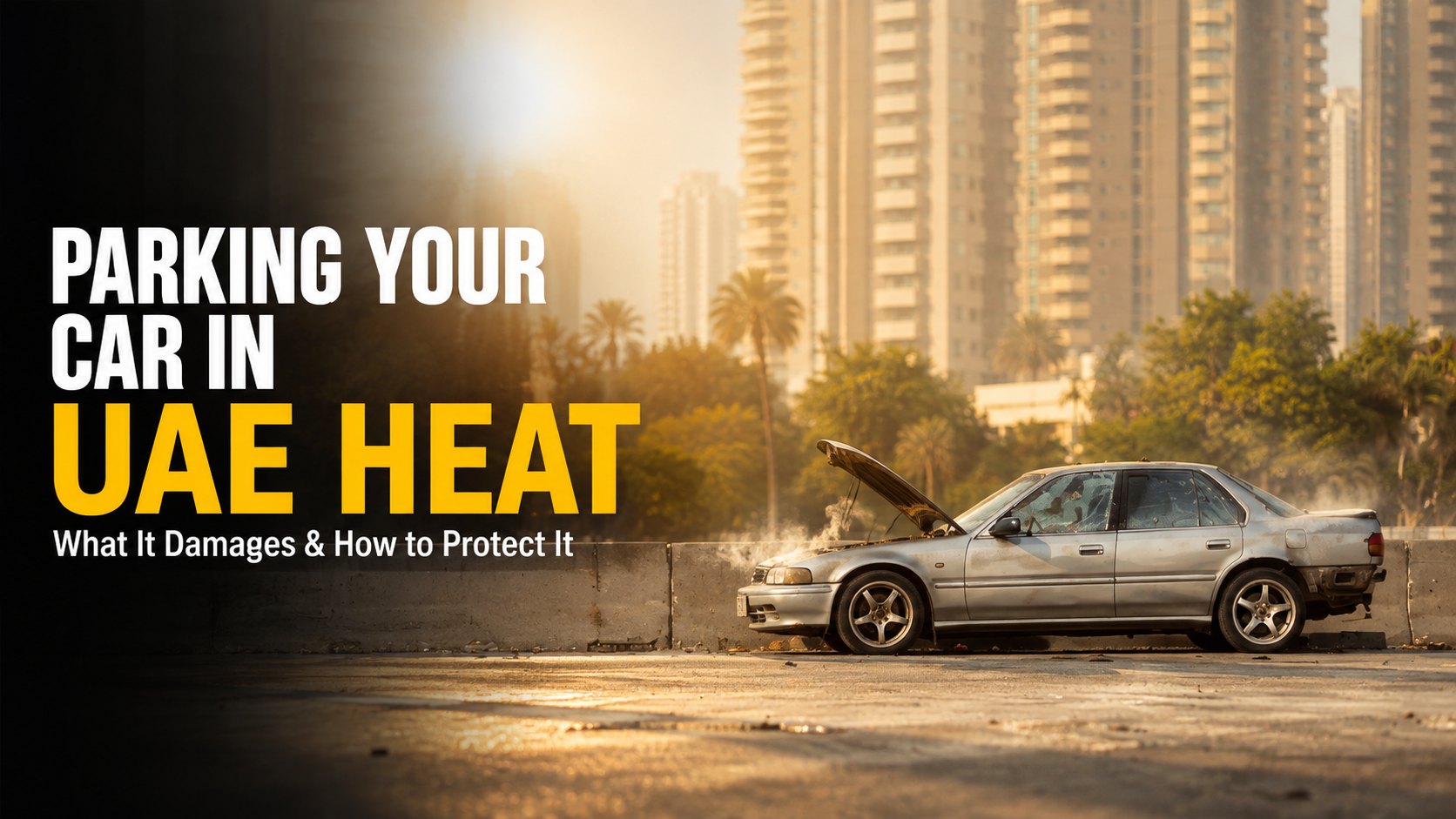
Owning a Porsche in Dubai or Abu Dhabi introduces challenges that owners in cooler climates simply do not face. Ambient temperatures regularly exceed 45 degrees Celsius. Sand and dust enter every opening. Roads in some areas are rough enough to stress suspension components well beyond normal wear rates. Factoring all of this into your maintenance schedule is not optional; it is essential.
- Cooling System Care: Inspect radiators, hoses, and coolant regularly, as extreme UAE heat accelerates wear and increases overheating risks.
- Air Suspension Checks: Assess compressors, air springs, and lines every 60,000 kilometres because high temperatures accelerate rubber deterioration.
- Turbo System Monitoring: Check intercoolers, hoses, and clamps frequently since desert dust reduces cooling efficiency and turbo performance.
- Oil Separator Inspection: Monitor the air oil separator regularly, as heat and short trips accelerate wear and oil consumption.
- Brake System Protection: Inspect pads and rotors more frequently because heat and traffic conditions increase braking system stress.
- Battery Life Management: Test battery health regularly, as extreme temperatures significantly shorten lifespan and reduce electrical performance.
Porsche Maintenance Built for UAE Conditions ARMotors provides comprehensive Porsche maintenance tailored to UAE conditions. From cooling system service to air suspension inspection and turbo system checks, our team understands exactly what the Dubai climate demands from your vehicle. |
Why Genuine Porsche Parts Are Worth the Investment
- Precision Engineered Quality: Genuine Porsche parts are manufactured to exact specifications, ensuring proper fit, performance, reliability, and seamless system integration.
- Optimised Vehicle Performance: OEM components work perfectly with Porsche electronics, sensors, and software, helping maintain factory-level driving performance.
- Warranty Protection Benefits: Using approved Porsche parts helps preserve manufacturer warranties and reduces the risk of costly coverage disputes.
- Higher Resale Value: A documented service history with genuine parts increases buyer confidence and can support stronger resale prices.
- Long-Term Cost Savings: Genuine components typically last longer, reducing replacement frequency, maintenance interruptions, and overall ownership costs.
- Reliable Driving Experience: Consistent quality and durability help Porsche owners enjoy dependable performance without compromising safety or vehicle integrity.
Step-by-Step Repair and Service Guidelines
Keeping a performance vehicle in excellent condition requires proactive maintenance rather than waiting for problems to appear. Following recommended service intervals, using approved fluids, and carrying out routine inspections helps maintain reliability, performance, and long-term value.
Scheduled Maintenance Intervals
Most vehicles follow a structured maintenance schedule based on mileage and time.
Minor Service (Every 10,000 Miles or 12 Months)
- Engine oil and filter replacement
- Tire inspection and pressure adjustment
- Battery condition check
- Complete vehicle diagnostic scan
- Visual inspection of key mechanical systems
Intermediate Service (Every 20,000 Miles or 24 Months)
- All minor service items
- Brake fluid replacement
- Cabin air filter replacement
- Wheel alignment inspection
- Additional safety and performance checks
Major Service (Every 40,000 Miles or 48 Months)
- All intermediate service items
- Engine air filter replacement
- Comprehensive suspension inspection
- Airbag and safety system checks
- Inspection of mounts, driveline, and running gear
Basic DIY Maintenance Tasks
Oil and Filter Replacement
Warm the engine before draining the oil to improve flow. Safely raise and support the vehicle, remove the drain plug, replace the oil filter, refill with the correct oil specification, and check for leaks after startup.
Air Filter Replacement
Locate the air filter housing, remove the cover, replace the old filter element, and ensure the housing is properly sealed before reassembly.
Engine Service
Engine maintenance includes scheduled oil changes, air filter replacement, spark plug servicing, ignition system inspections, throttle body cleaning, and periodic checks of internal timing components. Early identification of wear helps prevent costly repairs and preserves engine performance.
Transmission Service
Transmission maintenance involves fluid replacement at recommended intervals, inspection of clutch components where applicable, adaptation resets after servicing, and diagnostic checks to monitor shifting performance and component wear.
Brake Service
Brake pads, rotors, callipers, and fluid should be inspected regularly. Brake fluid replacement is typically performed every two years to maintain braking efficiency and reduce the risk of moisture-related performance issues.
Suspension Service
Suspension components, including bushings, control arms, shocks, and ride height systems, should be checked for wear and proper operation. Wheel alignment should be verified whenever suspension parts are replaced.
Electronics and Diagnostic Service
Electronic systems should be scanned during routine maintenance to identify stored or pending fault codes. Sensor readings, module performance, and software updates help ensure all vehicle systems operate correctly and efficiently.
Keep Your Luxury Car Performing at Its Best Trust our expert technicians for premium maintenance and repair services, delivering precision workmanship, reliable solutions, and exceptional care across Dubai. |
Trusted Sources for Genuine Porsche Parts in the UAE
Finding genuine Porsche parts in the UAE is straightforward if you know where to look. Authorised dealers carry factory stock and can source anything in the Porsche catalogue. Specialised parts suppliers provide authentic components with delivery options across the UAE and internationally for owners who prefer to supply their own parts to an independent workshop.
When selecting a supplier, verify that the parts carry the original Porsche packaging and part numbers. Genuine Porsche parts include visible quality markers and traceability information. Avoid suppliers who cannot confirm the origin of their stock or who offer prices that seem significantly below market rate for a given component.
For Porsche owners in Dubai and across the UAE, choosing a supplier with strong industry connections helps ensure you receive correctly specified, high-quality parts. It also provides access to expert guidance and technical support whenever needed.
Frequently Ask Questions
Spark plugs are typically replaced every 30,000–40,000 miles or during major four-year services. Ignition coils have no fixed interval but should be tested during servicing. In hot UAE conditions, annual coil inspections are recommended, especially for high-mileage vehicles.
The most common causes are degraded transmission fluid, worn clutch packs, and mechatronic unit faults. Symptoms include hesitation, jerky shifts, and delayed engagement. Fluid should be changed at scheduled intervals, while clutch wear should be monitored through diagnostic scans.
Aftermarket parts may not match original specifications for materials, tolerances, or calibration. On vehicles covered by warranty, non-approved parts can affect warranty coverage for related systems. For older vehicles, high-quality OEM-equivalent parts from verified suppliers are generally the preferred alternative.
Dubai's climate requires closer attention to cooling systems, turbo components, air suspension, and batteries. Cooling system inspections are recommended every two to three years, air suspension checks every 60,000 kilometres, turbo system inspections every 30,000–40,000 kilometres, and battery replacement every two to three years.
Before You Go: Get Your Porsche Looked After by Specialists Who Know It Inside Out
Trust ARMotors for expert Porsche care in Dubai, from routine servicing and diagnostics to complex transmission, suspension, and performance-related repairs.
Whether your Porsche requires scheduled maintenance or advanced diagnostics, our technicians deliver accurate inspections and effective repair solutions. Using genuine parts and proven expertise, we help maintain the performance, reliability, and driving experience your vehicle was designed to deliver.